


Temporary Staff Agency: Demolition Labourers Hiring Immediately in Bradford November 2025 – Heavy Demolition Workers Needed for Strip-Out & Breakdown Projects
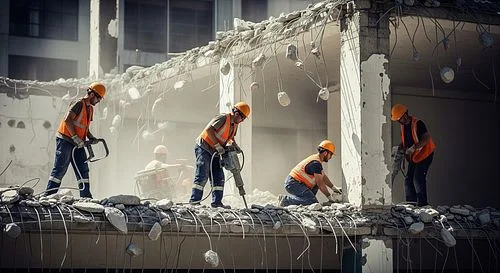
The construction and demolition industry in Bradford is experiencing a significant surge in demand this November 2025, with multiple heavy demolition projects requiring immediate staffing solutions. If you're looking for robust employment opportunities or if you're a contractor searching for reliable demolition labourers, temporary staff agencies are stepping up to bridge this critical gap.
Understanding the Demolition Labour Market in Bradford
Bradford's landscape is constantly evolving, with urban regeneration projects, commercial redevelopments, and infrastructure upgrades creating unprecedented demand for skilled demolition workers. The city's industrial heritage means many older structures require careful strip-out and breakdown work before new developments can begin. This November 2025, the demolition sector is particularly active, with projects ranging from residential block clearances to large-scale commercial demolitions.
Temporary staff agencies specializing in construction and demolition trades have become essential intermediaries in this bustling market. They're not just filling positions—they're ensuring that projects stay on schedule, safety standards remain paramount, and workers find meaningful employment that matches their skills and experience.
The current demand for demolition labourers in Bradford isn't a temporary blip. It's part of a broader regeneration strategy that's expected to continue well into 2026 and beyond. This makes now an excellent time for both experienced demolition workers and those looking to break into the industry to connect with reputable temporary staffing agencies.
What Heavy Demolition Work Actually Involves
Before diving into the hiring process, it's worth understanding what demolition labourers actually do on site. Heavy demolition work is physically demanding and requires a specific skill set that goes beyond basic manual labour.
Strip-Out Projects involve the systematic removal of internal components from buildings before the main demolition begins. This includes removing fixtures, fittings, partition walls, electrical systems, plumbing, and other non-structural elements. Strip-out work requires attention to detail, as materials often need to be segregated for recycling or proper disposal. Workers involved in strip-out projects must understand building layouts, work safely with basic hand and power tools, and follow environmental regulations regarding waste management.
Breakdown Projects are more intensive and involve the actual structural demolition of buildings or parts of buildings. This might include using heavy machinery like excavators with demolition attachments, hydraulic breakers, and wrecking balls, though hand demolition techniques are still widely used for precision work or in confined spaces. Breakdown workers need to understand structural integrity, recognize hazards, and work systematically to bring down structures safely.
Both types of projects require workers who can handle physical labour for extended periods, work at heights when necessary, and maintain constant awareness of their surroundings and fellow workers.
Why Temporary Staff Agencies Are Essential for Demolition Hiring
The construction and demolition industries have unique staffing challenges that make temporary agencies invaluable. Projects have finite timelines, workforce needs fluctuate dramatically, and the specialized nature of the work means not just anyone can step onto a site.
Immediate Availability is perhaps the biggest advantage temporary agencies offer. When a demolition contractor wins a new project or experiences unexpected workforce shortages, they can't afford to wait weeks for traditional recruitment processes. Temporary agencies maintain databases of pre-screened, qualified workers who can often start within 24-48 hours.
Compliance and Safety Documentation is another critical factor. Demolition sites require workers to have specific certifications, safety training, and often site-specific inductions. Reputable temporary agencies ensure their workers have current CSCS cards (Construction Skills Certification Scheme), necessary health and safety training, and proper documentation before they ever set foot on site. This removes a significant administrative burden from contractors.
Flexibility works both ways. Contractors can scale their workforce up or down based on project phases without the commitment of permanent employment contracts. Workers, meanwhile, gain variety in their work experience, exposure to different projects, and often have more control over when and where they work.
Risk Management is significantly improved when working with established agencies. The agency typically handles payroll, tax administration, insurance, and other employment-related responsibilities, reducing liability for contractors while ensuring workers receive proper compensation and protections.
Current Demolition Projects Driving Demand in Bradford
Several major developments across Bradford are fueling the current demand for demolition labourers this November 2025. While specific project details vary, the types of work available include:
Commercial Property Redevelopment in Bradford city centre, where older office buildings and retail spaces are being cleared to make way for modern mixed-use developments. These projects often involve careful strip-out work to salvage valuable materials and architectural features before structural demolition begins.
Industrial Site Clearance across the Bradford district, particularly in areas with legacy manufacturing facilities. These sites require specialized knowledge of hazardous materials handling, though labourers work under supervision of certified asbestos removers and environmental specialists.
Residential Regeneration Schemes where outdated housing stock is being demolished to create space for new affordable housing developments. These projects tend to be more straightforward but still require careful coordination and safety-conscious workers.
Infrastructure Upgrades including the demolition of bridges, overpasses, and other structures that are being replaced as part of transportation improvements across West Yorkshire.
The variety of projects means there's work suitable for demolition labourers at different experience levels, from those just entering the field to seasoned professionals.
Essential Qualifications and Skills for Demolition Labourers
If you're considering applying for demolition labour positions through temporary agencies in Bradford, understanding what's required will improve your chances of immediate placement.
Minimum Requirements typically include a valid CSCS card (at minimum the Green Labourer card), though many employers prefer candidates with the Demolition Operative card. You'll need to provide proof of identity, right to work in the UK, and references from previous construction or demolition work.
Safety Training is non-negotiable. Beyond the CSCS card, many positions require or prefer candidates with additional certifications like SSSTS (Site Supervisors' Safety Training Scheme) or SMSTS (Site Management Safety Training Scheme) for more senior roles. Asbestos awareness training is increasingly essential, even for general labourers, as it's encountered on many demolition sites.
Physical Fitness shouldn't be underestimated. Demolition work involves heavy lifting, working in awkward positions, climbing, and maintaining stamina throughout long shifts. Many agencies require health screenings or declarations, and some contractors conduct drug and alcohol testing.
Practical Skills that make candidates more attractive include experience operating basic plant machinery (even if not qualified operator level), welding or cutting torch experience, knowledge of recycling and waste segregation procedures, and understanding of structural demolition sequences.
Soft Skills matter too. Demolition sites require teamwork, following instructions precisely, communicating hazards effectively, and maintaining focus in environments with multiple hazards. Reliability and punctuality are absolutely critical—projects run on tight schedules, and missing workers can derail entire operations.
How the Application Process Works with Temporary Agencies
Understanding how to engage with temporary staff agencies will help you secure positions more quickly.
Initial Registration typically involves visiting the agency's office or completing a comprehensive online registration. You'll provide personal details, employment history, qualifications, and availability. Bring originals of all certificates, identification documents, and references. Many agencies now use digital systems where you can upload scanned copies, but having physical documents for verification speeds up the process.
Skills Assessment might include interviews about your previous experience, practical demonstrations of your abilities, and verification of your understanding of safety procedures. Be honest about your experience level—agencies need to place workers appropriately for both safety and client satisfaction.
Compliance Checks include right-to-work verification, DBS checks for certain sites, and review of your safety training currency. The agency will maintain digital copies of these documents so they can quickly confirm your eligibility when opportunities arise.
Job Matching happens once you're registered. The agency contacts you when positions matching your skills and availability become available. In the current high-demand environment in Bradford, suitable candidates often receive multiple calls weekly.
Site Induction is required before starting any new project. Even experienced workers must complete site-specific inductions covering emergency procedures, site layout, specific hazards, and project requirements. Never skip induction—it's a legal requirement and essential for your safety.
Pay Rates and Benefits for Demolition Labourers in Bradford
Compensation for demolition work through temporary agencies varies based on experience, project complexity, and working conditions, but the current market is favourable for workers.
Base Rates for general demolition labourers in Bradford as of November 2025 typically range from £12-£15 per hour for workers with basic CSCS qualifications and limited experience. This is above minimum wage and reflects the demanding nature of the work.
Experienced Workers with specialist skills, additional certifications, or proven track records can command £16-£20 per hour or more. Those qualified to operate specific equipment or supervise small teams may earn even higher rates.
Enhanced Rates apply for unsociable hours, with night shifts often attracting premiums of 25-50% above base rates. Weekend work typically pays time-and-a-half or double time, depending on the project urgency and client budget.
Holiday Pay is now standard for temporary workers under employment regulations, typically accrued as a percentage of hours worked (usually around 12.07% representing 5.6 weeks annual leave).
Pension Contributions are increasingly offered by reputable agencies, with automatic enrollment into workplace pension schemes for eligible workers.

Weekly Pay is standard in the industry, providing consistent cash flow unlike monthly payment schedules. Many agencies now offer pay-advance schemes or same-day payment options for workers who need faster access to earned wages.
Safety Considerations in Demolition Work
Demolition is inherently hazardous, which is why safety culture is so heavily emphasized and why proper training is non-negotiable.
Common Hazards include structural collapse, falling materials, dust and airborne particles, noise exposure, vibration from tools and equipment, manual handling injuries, slips and trips on debris-strewn surfaces, and exposure to hazardous materials like asbestos, lead, or chemical residues.
Personal Protective Equipment (PPE) is mandatory and typically includes safety boots with steel toecaps and midsole protection, hard hats, high-visibility clothing, gloves suitable for the specific task, eye protection, and respiratory protection when required. Some PPE is provided by employers, but workers often invest in their own comfortable, well-fitting boots and basics.
Risk Assessment happens before every phase of work. As a demolition labourer, you'll participate in toolbox talks, method statement reviews, and ongoing hazard identification. Never proceed with work you believe is unsafe, and always report hazards to supervisors immediately.
Working at Height is frequent in demolition. This might involve scaffolding, mobile elevating work platforms (MEWPs), or ladders. Proper training for working at height is essential, and fall protection equipment must be used correctly.
Dust Suppression is increasingly important, with strict regulations about silica dust exposure. Water suppression systems, dust extraction, and respiratory protection are standard on modern demolition sites.
The relationship between temporary agencies and safety is important to understand. Reputable agencies only work with contractors who maintain high safety standards and will remove workers from unsafe situations. If you're ever placed on a site where safety is being compromised, report it to your agency immediately.
Finding the Right Temporary Staff Agency in Bradford
Not all temporary agencies are equal, and choosing the right one significantly impacts your experience as a demolition labourer.
Specialization Matters – agencies that focus specifically on construction and demolition trades understand the industry better than general staffing agencies. They're more likely to have strong relationships with major contractors and better understand your skills and qualifications.
Reputation Checks are essential. Look for agencies with positive reviews from workers, membership in industry bodies like the Recruitment and Employment Confederation (REC), and longevity in the market. Ask other workers which agencies they recommend.
Transparency about pay rates, deductions, and terms should be a given. Reputable agencies clearly explain how much you'll earn, what deductions apply (if any), and when you'll be paid. Be wary of agencies with vague answers or unclear contracts.
Support and Communication distinguish good agencies from great ones. Your agency contact should be responsive, keep you informed about upcoming opportunities, and advocate for you with clients. They should also provide support if disputes arise about hours worked, pay discrepancies, or site conditions.
Multiple Registrations are allowed and often advisable. Many demolition workers register with 2-3 agencies to maximize their opportunities. Just be honest about your availability and don't accept overlapping assignments.
Benefits for Contractors Using Temporary Staff Agencies
While much of this article focuses on workers, it's worth understanding why contractors increasingly rely on temporary agencies—it helps workers understand the business context of their employment.
Speed of Deployment is crucial when projects have compressed timelines or unexpected workforce needs arise. Agencies can often supply qualified workers within a day, something impossible through traditional hiring.
Quality Pre-Screening means contractors receive workers who already have verified qualifications and appropriate experience. This reduces the risk of unsuitable candidates appearing on site.
Administrative Simplification is significant. The agency handles payroll, tax compliance, insurance, and employment documentation, freeing contractors to focus on project delivery.
Flexibility Without Commitment allows contractors to adjust workforce size as project phases change without the complications of redundancy procedures or maintaining workers between projects.
Reduced Liability is a major consideration, as the agency typically serves as the employer of record, handling many employment-related legal obligations.
Understanding these benefits helps workers appreciate why temporary agencies can offer consistent work opportunities and why building a good reputation with agencies leads to preferential placement.
The Future of Demolition Work in Bradford
Looking beyond November 2025, the outlook for demolition work in Bradford and surrounding areas remains strong.
Urban Regeneration Commitments from local authorities and private developers suggest ongoing demand for demolition services. Bradford's city centre transformation initiatives, in particular, represent multi-year commitments that will require sustained workforce levels.
Sustainability Drives are changing demolition work, with increasing emphasis on deconstruction, material recovery, and recycling. This creates opportunities for workers willing to develop skills in selective demolition and materials segregation.
Technology Integration is gradually changing the industry. While heavy physical labour remains essential, workers who understand basic digital tools, can operate modern machinery with sophisticated controls, and adapt to new methodologies will have competitive advantages.
Career Progression is very possible in demolition. Many site managers, supervisors, and business owners started as general labourers. Gaining experience, accumulating qualifications, and demonstrating reliability opens doors to advancement.
Skills Shortages continue to plague the construction sector generally, which means trained, reliable demolition workers are increasingly valuable. This should translate to better pay and conditions over time.
Making the Most of Temporary Demolition Work
If you're entering the demolition labour market through temporary agencies, some practical strategies will help you succeed.
Build Your Reputation – the demolition community in Bradford is tightly knit. Word travels quickly about reliable, skilled workers, but also about those who don't show up or cut corners on safety. Every assignment is an opportunity to build your professional reputation.
Invest in Qualifications – don't just settle for minimum requirements. Additional certifications like First Aid at Work, fire marshal training, or specific equipment qualifications make you more valuable and increase your earning potential.
Be Flexible – particularly when starting out, accepting varied assignments helps you gain experience and proves your reliability to agencies. Once established, you can be more selective.
Communicate Clearly – if you can't make a shift, inform your agency as early as possible. If you have concerns about site safety or working conditions, raise them professionally through proper channels.
Track Your Hours – keep your own records of hours worked, sites attended, and any issues. This protects you if payment disputes arise and helps when applying for future positions.
Network Actively – get to know other workers, site supervisors, and contractors. Many permanent positions arise from temporary placements when contractors recognize valuable workers.
Look After Your Health – demolition work is tough on your body. Proper lifting techniques, good quality protective equipment, staying hydrated, and addressing minor injuries before they become major problems will extend your working career.
Legal Rights and Protections for Temporary Workers
Temporary demolition workers have significant legal protections that are important to understand.
Equal Treatment regulations require that agency workers performing the same role as permanent employees are entitled to the same basic employment and working conditions after 12 weeks in the same role for the same hirer.
Right to Payslips is guaranteed, with clear breakdowns of hours worked, rates paid, and any deductions.
Working Time Regulations limit weekly working hours and mandate rest breaks and periods, though there are opt-outs that many construction workers agree to given the nature of project work.
Health and Safety Protections apply equally to temporary and permanent workers. Employers and agencies share responsibility for ensuring safe working conditions.
Whistleblowing Protections exist if you raise legitimate concerns about health and safety or legal violations. You cannot be legally dismissed or disadvantaged for raising genuine concerns through appropriate channels.
If you believe your rights are being violated, resources include ACAS (Advisory, Conciliation and Arbitration Service), unions like Unite or GMB which represent construction workers, and the Health and Safety Executive (HSE) for safety concerns.
Preparing for Your First Demolition Assignment
If you're new to demolition work or returning after a break, proper preparation makes your first assignment through a temporary agency much smoother.
Physical Preparation – ensure you're physically ready for demanding work. If you've been sedentary, start building stamina and strength before your first day.
Equipment Checklist – verify you have appropriate PPE, including well-fitted safety boots (perhaps the most important investment you'll make), comfortable work clothing suitable for physical labour and varying weather, a water bottle to stay hydrated, and packed lunch if facilities aren't provided on site.
Documentation – bring all required documents on your first day, including your CSCS card, proof of qualifications, photographic ID, and any site-specific paperwork your agency provides.
Transportation – plan your route to the site, allowing extra time for your first day. Demolition sites are often in areas with limited parking, so understand where you can leave your vehicle or what public transport serves the location.
Mindset – arrive ready to learn, follow instructions, ask questions when unsure, and work safely. First impressions matter enormously in this industry.
Expectations – understand that initial assignments might be testing your reliability and attitude as much as your technical skills. Prove yourself dependable, and more opportunities follow.
Conclusion
The demolition industry in Bradford is offering exceptional opportunities this November 2025, with immediate demand for labourers across numerous strip-out and breakdown projects. Temporary staff agencies serve as the crucial link between available workers and contractors who need reliable, qualified personnel quickly.
Whether you're an experienced demolition worker looking for your next opportunity or someone considering entering this physically demanding but rewarding field, understanding how temporary agencies operate, what qualifications you'll need, and what to expect from the work itself positions you for success.
The combination of strong demand, fair pay rates, and opportunities for skill development makes this an ideal time to engage with Bradford's demolition sector. By choosing reputable agencies, maintaining high safety standards, building your professional reputation, and continually developing your skills, you can establish a sustainable career in this essential industry.
For contractors, temporary agencies offer the flexibility, compliance assurance, and quick deployment that modern demolition projects require. The partnership between agencies, workers, and contractors creates an ecosystem that benefits all parties while ensuring Bradford's ongoing urban transformation proceeds safely and efficiently.
Frequently Asked Questions
1. Do I need previous experience to work as a demolition labourer through temporary agencies in Bradford?
Not always, though it certainly helps. Many temporary agencies place workers at different experience levels, from complete newcomers to seasoned professionals. For entry-level positions, you'll typically need a valid CSCS card (minimum Green Labourer card) and demonstrate basic fitness and reliability. However, understand that experienced workers get priority for higher-paying positions and more consistent work.
2. How quickly can I start working after registering with a temporary staff agency?
In the current high-demand environment in Bradford for November 2025, qualified candidates can often start within 24-48 hours of registration, sometimes even the next day. However, this depends on several factors: whether your documentation is complete and current (especially your CSCS card and right-to-work verification), your availability matching current project needs, and the agency's workload for processing new registrations.
3. What's the difference between working as a demolition labourer and a demolition operative?
This distinction is important because it affects pay rates and job expectations. A demolition labourer typically performs general support tasks on demolition sites—clearing debris, loading vehicles, basic stripping out of fixtures and fittings, and assisting skilled operatives. The minimum qualification is usually a Green CSCS Labourer card.
4. Will I get consistent work through temporary agencies, or is it sporadic?
Consistency varies based on several factors, but the current market in Bradford is particularly strong. During busy periods like November 2025, reliable workers with proper qualifications often work continuously, moving from one project to another with minimal gaps. However, understand that temporary work is by nature less predictable than permanent employment.
5. What happens if I get injured on a demolition site while working through a temporary agency?
Your protections are similar to permanent employees, though understanding the specific procedures is important. Immediately report any injury to your site supervisor and your agency, no matter how minor it seems. The site contractor must record the injury in their accident book and conduct an investigation if required. For serious injuries, RIDDOR (Reporting of Injuries, Diseases and Dangerous Occurrences Regulations) procedures apply. You're covered by the employer's liability insurance, which in most cases is held by the agency as your legal employer, though site contractors also carry insurance.