


Find Your Next Head Chef Vacancy: Expert Strategies for Hiring & Recruitment
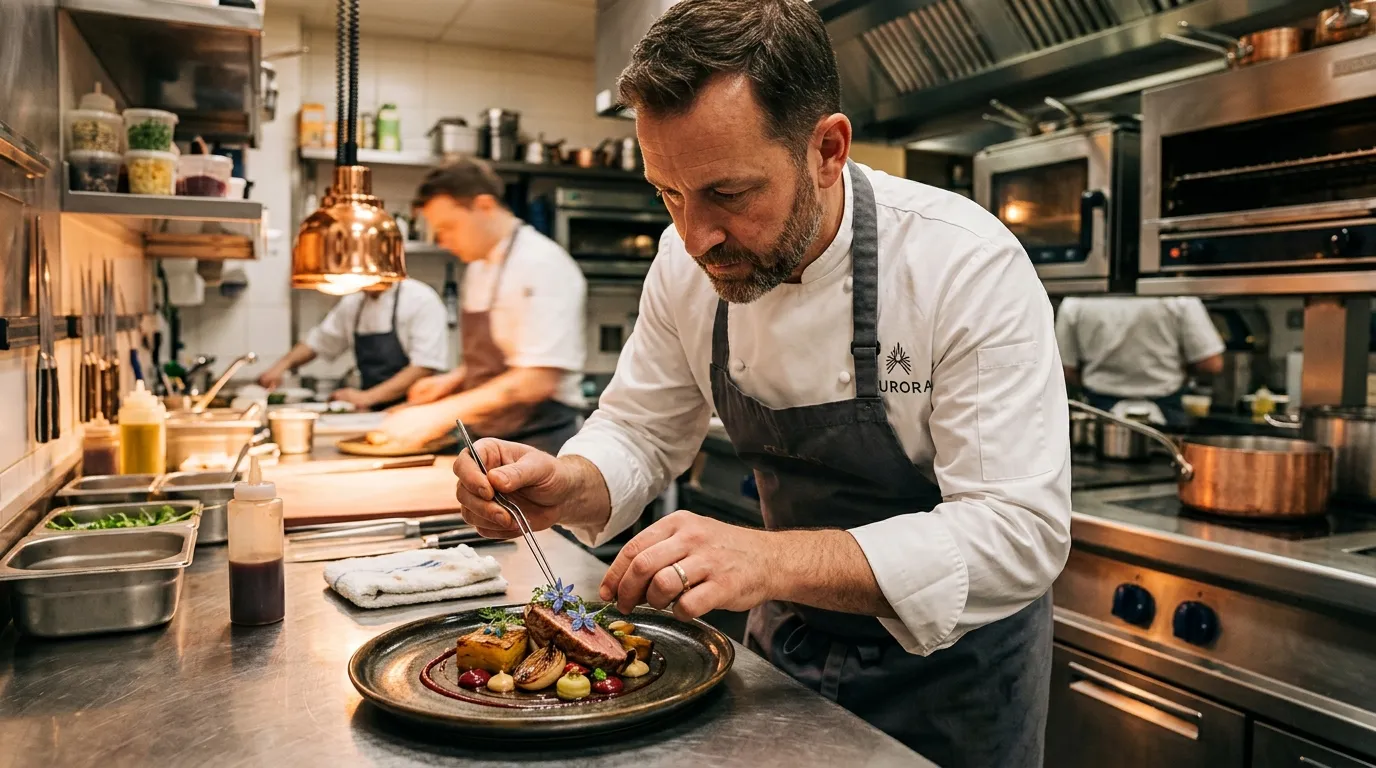
Navigating a Head Chef Vacancy can define your restaurant's success. This comprehensive guide provides actionable insights for hiring the perfect culinary leader, leveraging temp agency work, and building a resilient kitchen team.
Mastering the Head Chef Recruitment Process
Why a Head Chef Vacancy is a Critical Business Moment
A Head Chef Vacancy is not just an empty position; it's a pivotal moment that impacts menu quality, kitchen morale, supplier relationships, and ultimately, your bottom line. The head chef is the operational and creative heartbeat of your restaurant. Filling this role requires a blend of strategic vision and practical recruitment skills, far beyond simply checking culinary qualifications. Understanding the full scope of the role—from financial management and inventory control to staff mentorship and customer satisfaction—is the first step to a successful hire.
Many businesses make the mistake of rushing the process, leading to costly mismatches. Instead, view this vacancy as an opportunity to audit your kitchen's strengths, weaknesses, and future direction. Do you need an innovator to revamp the menu, or a steady hand to optimize existing processes? Answering these questions before you even write the job description is crucial. For insights on building a stellar team from the ground up, explore our dedicated resource on the best practices for hiring employees.
Actionable Steps to Fill Your Head Chef Role
The hiring process for a head chef must be meticulous and multi-stage. Start with a compelling job description that sells your restaurant's vision, not just lists duties. Highlight unique aspects of your culture, growth opportunities, and the creative freedom you offer. Then, move to a multi-layered interview process: a preliminary phone screen, a practical cooking test (or"stage"), and a final interview focusing on leadership, conflict resolution, and financial acumen.
Pro-Tip: The Practical Assessment
Never hire a head chef without a hands-on assessment. Provide a budget and a mystery basket of ingredients, or ask them to critique and improve a current menu item. This reveals problem-solving skills, efficiency, and creativity under pressure—qualities a resume can never show.
Remember, the candidate is also interviewing you. Be prepared to discuss career progression, support structures, and your investment in kitchen technology. A transparent and respectful process attracts higher-caliber talent. For urgent needs, our Quick Hire service can provide a streamlined framework to accelerate recruitment without sacrificing quality.
Leveraging Temp Agency Work for Culinary Staffing
While a permanent head chef is the goal, temp agency work provides a vital strategic buffer. A specialized staffing agency can supply interim executive chefs or senior sous chefs to maintain operations during your search, preventing a catastrophic drop in standards. This interim period can also serve as an extended"try-before-you-buy" opportunity for a potential permanent candidate.
Agencies specializing in hospitality have pre-vetted networks of skilled professionals who can step in at a moment's notice. This flexibility is invaluable for covering sudden departures, maternity leave, or during peak seasonal events when you need extra leadership bandwidth. Understanding the broader landscape of flexible staffing is key; our Ultimate Guide to Temp Work Staffing breaks down the models and benefits in detail.
Core Benefits of a Strategic Head Chef Hire
Menu Innovation & Cost Control
A talented head chef drives profitability through creative, market-responsive menus while meticulously managing food costs, supplier negotiations, and waste reduction. They turn culinary vision into financial performance.
Kitchen Leadership & Team Culture
Beyond cooking, the head chef mentors staff, enforces standards, and builds a cohesive, motivated team. Strong leadership reduces turnover, improves training, and creates a positive, efficient kitchen environment.
Operational Continuity & Risk Mitigation
Using interim solutions from a temp agency ensures your kitchen never lacks leadership. This bridges the gap during a search, maintains quality, and allows for a thorough, unhurried recruitment process for the permanent role.
Crafting the Perfect Head Chef Job Description & Interview Plan
The foundation of successfully filling a Head Chef Vacancy lies in two documents: the job description that attracts the right candidates, and the interview plan that identifies the best one. Both must be crafted with precision and strategic intent.
Anatomy of a Winning Job Description
A generic list of responsibilities will attract generic candidates. Your job description should be a marketing tool for your restaurant.
- Start with Your Vision: Open with a compelling narrative about your restaurant's philosophy, legacy, and future goals. What makes you unique?
- Define Core Impact Areas: Go beyond"manage kitchen." Specify accountability for GP%, staff retention rates, menu development cycles, and health & safety audit scores.
- Highlight Growth & Support: Top chefs seek growth. Mention budgets for professional development, opportunities for concept development, and the tools/technology at their disposal.
- Be Transparent About Challenges: Briefly mention the current state (e.g.,"stepping into a well-established team" or"leading a turnaround"). This filters for candidates who thrive in your specific situation.
This approach mirrors strategies used across sectors. For example, when seeking specialized talent like hotel receptionists or niche technical roles, clarity and vision in the job advert are equally critical to attract the right fit.
The Multi-Stage Interview: Beyond the Plate
Interviewing a head chef requires assessing three distinct skill sets: culinary craft, business acumen, and human leadership.
Stage 1: The Culinary Practical
This isn't just a cooking test. Observe their workflow, organization, cleanliness, and how they communicate with any provided assistants. Do they treat the kitchen with respect? The dish is important, but the process is revealing.
Stage274: The Business & Strategy Discussion
Present a real or hypothetical P&L snippet for the kitchen. Ask how they would improve it. Discuss supplier management, seasonal menu planning, and how they would handle a critical online review about food quality. Their answers reveal financial literacy and strategic thinking.
Stage 3: The Leadership & Culture Fit
Introduce them to key team members (e.g., restaurant manager, senior sous). Ask about their mentoring style, how they handle conflict between cooks, and their approach to training. Gauge the interpersonal dynamics—this is where long-term success is determined.
This rigorous approach ensures you hire a leader, not just a cook. For managing other complex hiring needs, such as in supply chain or logistics, a similarly structured, competency-based interview process is highly recommended.
Integrating Temp Agency Work into Your Hiring Timeline
The period between a head chef's departure and a new permanent hire is a high-risk zone. Strategic use of temp agency work transforms this risk into an opportunity.
The Interim Solution: A high-level temporary executive chef or senior sous chef from a reputable agency maintains standards, upholds discipline, and can even provide a fresh perspective on kitchen operations. This prevents the"sinking ship" mentality that can demoralize a permanent team.
The Temp-to-Perm Pathway: Many agencies offer temp-to-perm options. This allows you to evaluate a candidate in the live environment of your kitchen over several weeks or months—a far more reliable assessment than any interview. It's a low-risk way to confirm fit before making a permanent commitment. This flexible model is a cornerstone of modern temporary staffing solutions across industries.
Covering Peak Demand: Even with a permanent head chef in place, agencies can supply additional senior culinary staff for special events, seasonal rushes, or new menu launches, providing your head chef with the support needed to excel. This operational flexibility is what allows leading restaurants to scale quality consistently.
Head Chef Vacancy & Temp Agency Work: Frequently Asked Questions
The timeline varies significantly based on location, restaurant prestige, and salary offered. For a mid-to-high-level role, expect a minimum of 6 to 12 weeks from posting to offer acceptance for a permanent position. This includes time for advertising, screening, multiple interview stages, and negotiation. Rushing this process is the most common cause of a bad hire. Utilizing an interim chef from a temp agency is strongly advised to cover this period without pressure, ensuring you select the right permanent candidate, not just the fastest one.
Major red flags include: Vagueness on Cost Control: Inability to discuss specific strategies for managing food costs or reducing waste. Poor References: Hesitant or negative references from past employers, especially regarding team management. Lack of Curiosity: Not asking detailed questions about your business, systems, or team dynamics. Blame-Shifting: Consistently blaming past failures on owners, suppliers, or"lazy staff." No Development Plan: Has no clear vision for their own continued learning or for developing their future team. A candidate displaying these traits is likely to repeat past problems in your kitchen.
Specialist hospitality staffing agencies maintain a deep bench of experienced chefs who prefer the variety and flexibility of temp agency work, including semi-retired executive chefs, consultants, and professionals between permanent projects. These individuals are rigorously vetted—their skills, hygiene certifications, and references are verified. The agency understands the specific pressures of a head chef role and matches based on your cuisine type, kitchen size, and specific challenges (e.g., needing a turnaround expert or a steady hand). They handle all payroll, legal, and compliance issues, giving you a leadership resource without the administrative burden.
Internal promotion can be excellent for morale and continuity, but it must be a merit-based decision, not just a convenient one. Assess your sous chef or senior chef de partie against the full scope of the head chef role—not just their cooking skills. Do they have the financial training, leadership authority, and strategic vision? Consider creating a"development plan" with a mix of external training and temporary mentorship (potentially from an agency interim chef) to bridge any skill gaps before making the promotion official. If the internal candidate isn't fully ready, promoting them can set them up for failure and destabilize the team.
Ready to Solve Your Head Chef Vacancy?
Don't let a leadership gap compromise your kitchen's excellence. Whether you need an immediate interim solution via temp agency work or want to launch a search for your permanent culinary leader, the right partner makes all the difference. Start the process today and secure the talent that drives your restaurant forward.
For more insights on strategic hiring across all sectors, from warehouse operations in Leeds to specialized medical roles, browse our expert resources.