


IT Support Staffing: How to Hire Reliable Helpdesk, Field, and Infrastructure Teams Fast
SEO Title: Hire Skilled IT Support Staffing Teams Fast: Helpdesk, Field & Infrastructure Recruitment Guide
SEO Description: Strengthen IT Support Staffing with practical hiring tactics, staffing models, screening checklists, and Logistics Agency Milton Keynes workforce insights for faster, safer, and more flexible technology support teams.
About IT Support Staffing
IT Support Staffing is the process of recruiting, screening, and placing technology professionals who keep business systems running smoothly. This includes helpdesk analysts, field engineers, network administrators, cloud support specialists, service desk leads, and IT operations managers. When done well, it reduces downtime, improves user experience, protects data, and supports growth without overloading internal teams.
Many organizations struggle to find people who combine technical competence with communication skills. A ticket may involve a printer, an Active Directory reset, a VPN failure, or a warehouse scanner outage. The right candidate must diagnose issues quickly, document them properly, and explain next steps clearly. That is why effective IT Support Staffing is not just about filling a vacancy—it is about building a responsive support culture.
This guide explores practical strategies for hiring support teams, choosing staffing models, assessing candidates, managing compliance, and aligning technology talent with operational demand. You will also see how staffing decisions can connect with wider workforce needs, including logistics and supply chain environments where IT support often underpins daily productivity.
Multi-Category IT Support Staffing Overview
Explore the main staffing categories below. Each area requires a slightly different candidate profile, hiring speed, and operational structure.
Helpdesk and Service Desk Staffing
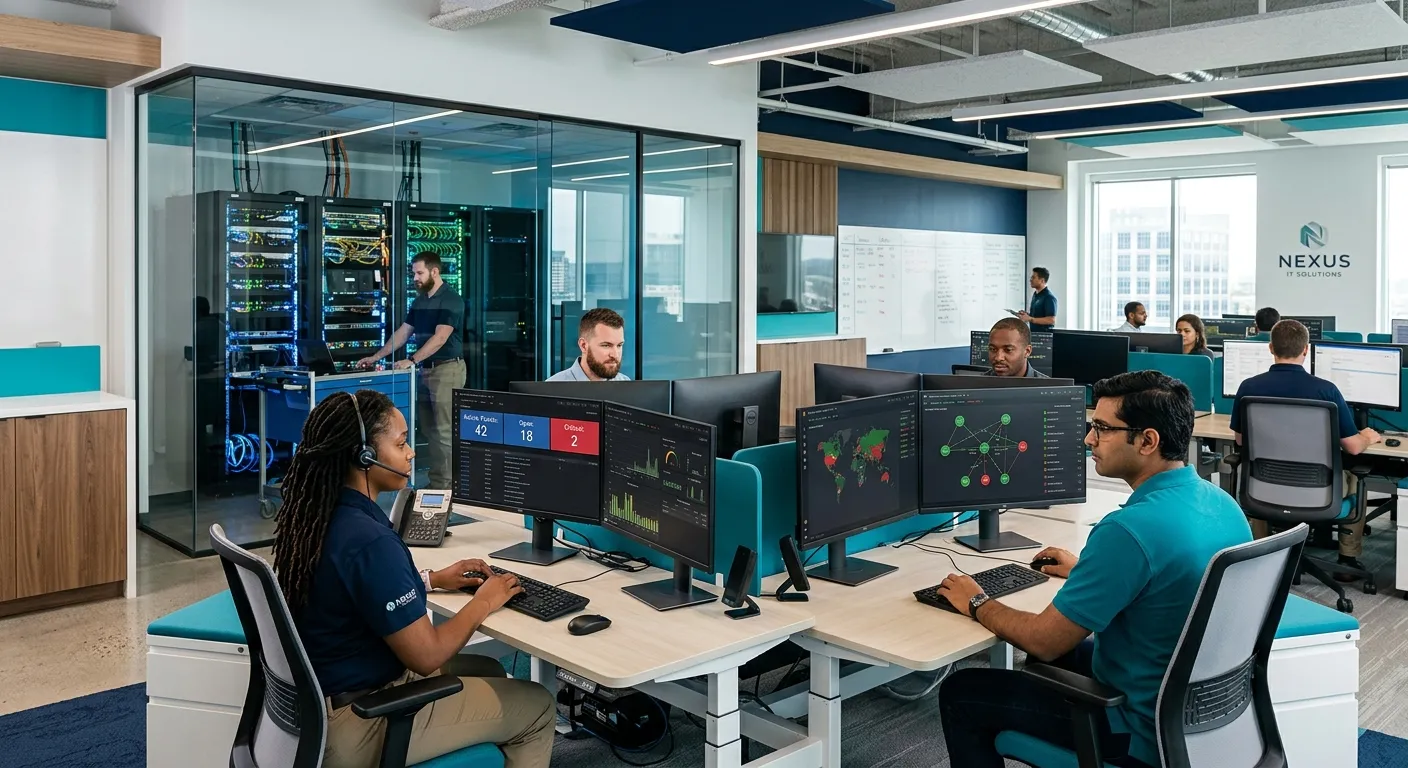
Helpdesk roles are the front line of IT Support Staffing. They handle password resets, software issues, hardware faults, incident logging, and basic troubleshooting. These hires need patience, clear communication, and the ability to prioritise tickets under pressure. For fast-moving environments, a Helpdesk In Cambridge CB12 Immediate Start With Temporary Staff Agency placement can prevent ticket backlogs during seasonal peaks or internal hiring delays.
The best helpdesk staffing strategy balances technical knowledge with customer service. Candidates should understand ticketing platforms, SLAs, escalation paths, and remote support tools. When hiring temporary helpdesk staff, look for people who can document issues accurately and work independently without constant supervision.
Field IT Support Staffing
Field support engineers visit offices, warehouses, retail sites, or client premises to resolve hardware, network, and end-user issues. These professionals must be comfortable driving between locations, working with different site access rules, and handling physical infrastructure such as cabling, printers, routers, and workstations.
Effective field IT Support Staffing requires strong time management and safety awareness. A good hire should be able to assess a site quickly, identify whether the issue is local or systemic, and communicate clearly with non-technical users. For multi-site businesses, field staff often become the bridge between central IT policy and on-the-ground reality.
Infrastructure and Cloud Support Staffing
Infrastructure support roles focus on servers, networks, cloud environments, identity management, backups, monitoring tools, and security configurations. These hires often require deeper technical knowledge and experience with platforms such as Microsoft 365, Azure, AWS, Active Directory, endpoint management, and network monitoring.
IT Support Staffing in this area is less about quick ticket closure and more about stability. The right candidate should understand change control, incident response, root cause analysis, and capacity planning. For businesses undergoing migration or expansion, infrastructure support hires can reduce risk and prevent avoidable outages.
Managed IT Support Staffing
Managed support staffing is ideal for organizations that want flexible access to a wider team without building every role in-house. This may include outsourced service desk cover, contract IT managers, or shared technical specialists who work across several clients. It is especially useful when demand fluctuates or when internal teams need temporary expertise.
A managed model can improve resilience because coverage does not depend on one person. However, clear onboarding, escalation rules, and documentation are essential. The best managed IT Support Staffing arrangements create a seamless experience for end users while giving leadership better visibility over response times and costs.
Logistics and Operational IT Support Staffing
In warehouses, distribution centres, and transport hubs, IT support often underpins scanners, warehouse management systems, delivery tracking, printing stations, and connectivity. A single network interruption can slow picking, packing, and dispatch. That is why logistics-focused IT Support Staffing must align with shift patterns, peak trading periods, and health and safety requirements.
If your business needs both technical support and operational workforce coordination, partnering with a Logistics Agency Milton Keynes can help you hire people who understand fast-paced supply chain environments. This is especially relevant when IT support teams must collaborate with warehouse operatives, drivers, and supply chain managers to keep operations running.
Key Benefits of Strategic IT Support Staffing
Faster Response Times
Well-staffed support teams reduce ticket queues and downtime. When helpdesk, field, and infrastructure roles are filled properly, users receive quicker answers and incidents are escalated with less friction.
Better Talent Matching
Strategic hiring focuses on the exact skills your environment needs, from endpoint support to cloud networking. This reduces costly mis-hires and improves confidence in the technical team.
Scalable Coverage
Temporary, contract, and managed staffing options allow businesses to scale support during migrations, product launches, seasonal peaks, or unexpected service disruptions.
Improved User Experience
IT support is often the most visible part of technology. A reliable team increases trust, reduces frustration, and helps employees stay productive throughout the working day.
Stronger Risk Management
Skilled support staff help identify security incidents early, maintain compliance, and follow change control processes. This is critical for businesses handling sensitive data or complex environments.
Predictable Cost Control
Choosing the right staffing model helps avoid hidden recruitment costs, overtime spikes, and productivity loss. Clear contracts and service expectations make budgeting easier.
Why IT Support Staffing Is Business-Critical
Technology support is no longer a back-office function. It directly affects customer service, employee productivity, compliance, and operational continuity. A delayed ticket, a poorly documented change, or a misconfigured network can create a chain reaction across departments. Effective IT Support Staffing ensures that the right people are available at the right time, with the right skills, in the right locations.
For growing companies, support teams often become stretched thin. Internal recruiters may not have the technical knowledge to assess candidates accurately, while line managers may hire for availability rather than capability. This is where structured staffing becomes essential. A well-designed hiring process considers ticket volume, escalation complexity, shift coverage, tooling, and the customer-facing nature of each role.
It also matters that support staff understand the business context. A helpdesk analyst in a law firm may need different priorities than one in a distribution centre or a healthcare environment. Strong IT Support Staffing aligns technical capability with business urgency, helping teams respond not just quickly, but intelligently.
Common Hiring Challenges and How to Overcome Them
Many employers face the same obstacles when recruiting support teams. Recognising these challenges early can save weeks of disruption.
- Skill shortages: The market for experienced support engineers is competitive. Employers should widen candidate pools by considering transferable skills, vendor certifications, and strong customer service backgrounds.
- Poor role definition: A vague job description attracts unsuitable applicants. Define ticket types, escalation levels, tools, on-call expectations, and performance metrics clearly.
- Speed versus quality: Urgent vacancies can lead to rushed decisions. A better approach is to pre-screen candidates and create a bench of suitable professionals before demand spikes.
- Retention issues: Support roles can become repetitive. Career progression, training budgets, and recognition programs help reduce turnover.
- Compliance gaps: Access to sensitive systems requires vetting, background checks, and clear security onboarding. Skipping these steps increases risk.
Pro Tip: Build a staffing plan around demand patterns, not just current vacancies. If your ticket volume rises every quarter-end or during system upgrades, hire temporary support staff in advance rather than reacting after the backlog appears.
Choosing the Right IT Support Staffing Model
There is no single best model for every organization. The right choice depends on urgency, budget, security requirements, and how specialized the support role is. Understanding the options helps you make smarter decisions and avoid paying for capacity you do not need.
Permanent Hires
Permanent staff are ideal for core roles where institutional knowledge matters, such as IT managers, senior engineers, or service desk leads. They build long-term relationships with users and understand internal systems deeply.
However, permanent hiring can be slow and costly if the role is only needed temporarily. It works best when the business has stable demand and wants to invest in retention.
Temporary and Contract Staff
Temporary support staff provide flexibility during leave cover, project work, migration events, or seasonal peaks. Contract professionals can bring niche skills without long-term commitment.
To make this model effective, ensure strong onboarding and clear documentation. Temporary hires should understand access rights, escalation procedures, and service standards from day one.
Managed Service Partnerships
A managed model gives businesses access to a broader team under agreed service levels. It can include 24/7 monitoring, tiered support, and specialist cover for network, security, or cloud environments.
This approach is useful when internal teams need backup or when the organization wants predictable monthly costs. The key is choosing a partner that understands your culture and operational priorities.
Hybrid Staffing
Many modern teams use a mix of permanent staff, temporary cover, and specialist contractors. This hybrid approach provides stability while preserving flexibility.
For example, a permanent service desk lead may manage day-to-day operations, while temporary analysts handle peak ticket volumes and a contract engineer supports a cloud migration. Our Staffing Services are designed to support exactly this kind of blended workforce strategy.
Building Strong IT Support Role Profiles
A role profile is the foundation of successful IT Support Staffing. It should go beyond job titles and list the actual responsibilities, tools, and behaviours required. For helpdesk roles, specify ticket categories, service hours, escalation rules, and customer communication expectations. For infrastructure roles, include technologies, change control practices, and security responsibilities.
Strong profiles also reflect the working environment. A warehouse support engineer may need PPE awareness, shift flexibility, and experience with mobile scanners. A corporate service desk analyst may need Microsoft 365 expertise, VIP support experience, and strong written communication. The more accurate the profile, the easier it is to screen candidates and reduce mismatched placements.
If you are building a wider team and want guidance on long-term workforce quality, our Best Hire Employees guide provides practical advice on creating a stellar recruitment foundation.
Screening and Assessing IT Support Candidates
Screening should test both technical ability and interpersonal fit. A candidate may know how to reset a password, but can they explain it clearly to an anxious user? A field engineer may be technically capable, but do they follow safety procedures and communicate delays professionally?
Technical Assessment Ideas
- • Short ticket simulation exercise
- • Troubleshooting scenario walkthrough
- • Basic network or endpoint diagnostic questions
- • Review of documentation and ticket notes
- • Vendor or platform-specific knowledge check
Behavioural Assessment Ideas
- • How the candidate handles an angry user
- • How they escalate when stuck
- • Their approach to SLA pressure
- • How they explain technical issues simply
- • Their attitude toward teamwork and learning
When you are ready to search for suitable candidates, you can Find Staff who match your exact technical and cultural requirements. The best placements are not just skilled—they are dependable, coachable, and aligned with your service expectations.
Video Insight: Hiring Reliable IT Support Staff Quickly
Watch this practical guide to understand how businesses can hire dependable staff fast, reduce vacancy pressure, and build stronger support coverage without sacrificing quality.
Security, Compliance, and Onboarding Considerations
IT support staff often have privileged access to systems, email accounts, servers, and user devices. That makes vetting and onboarding a critical part of IT Support Staffing. Background checks, right-to-work verification, security clearances where required, and reference checks should be completed before access is granted.
Onboarding should also include clear policies for data protection, incident reporting, acceptable use, and remote working. Temporary staff must understand what they can and cannot access. A poorly onboarded contractor can create more risk than a well-trained permanent employee, so documentation and access control matter just as much as technical skill.
Pro Tip: Use role-based access control and time-limited credentials for temporary support staff. When a contract ends, access should be revoked immediately and automatically.
The True Cost of Poor IT Support Staffing
The cost of weak staffing is rarely limited to salary. It appears in lost productivity, missed SLAs, user frustration, security incidents, overtime, and reputational damage. If a ticket sits unresolved for days, the business may lose customer trust or delay internal projects. If a field engineer is poorly trained, they may resolve a symptom but miss the root cause.
Strategic hiring reduces these hidden costs. It improves first-time fix rates, lowers escalation volumes, and creates a more stable support environment. Over time, better staffing decisions often deliver a stronger return than simply trying to reduce recruitment spend.
Actionable Checklist for Better IT Support Staffing
Use this checklist before you start your next support recruitment cycle.
1. Define Demand
Review ticket volume, peak times, escalation types, and future projects. Know exactly what level of support you need.
2. Write Clear Profiles
Include tools, responsibilities, shift patterns, customer expectations, and required certifications.
3. Assess Real Skills
Use scenario-based interviews and ticket simulations rather than relying only on CV keywords.
4. Plan Onboarding
Prepare access, documentation, buddy systems, and clear success metrics for the first 30 days.
5. Monitor Performance
Track response times, first-contact resolution, user satisfaction, and escalation rates.
6. Build a Talent Bench
Keep a pipeline of vetted candidates so you can scale quickly when demand rises unexpectedly.
Frequently Asked Questions About IT Support Staffing
IT Support Staffing is the process of sourcing, screening, and placing professionals who provide technical support, service desk coverage, infrastructure assistance, and operational technology help. It can involve permanent hires, temporary staff, contract specialists, or managed support teams.
Timelines depend on role complexity, location, and vetting requirements. Basic helpdesk roles may be filled within days, while specialized infrastructure or security-focused positions can take longer. Pre-screened candidate pools and clear role briefs help speed up placement significantly.
Permanent hires are best for core, long-term roles where institutional knowledge matters. Temporary or contract staff are ideal for leave cover, projects, seasonal peaks, or specialist skills that are needed only for a defined period. Many organizations use a hybrid approach for the best balance.
Key skills include troubleshooting, communication, documentation, ticket management, endpoint support, network basics, security awareness, and calm problem-solving under pressure. For senior roles, project experience, change management, and leadership are also important.
In logistics environments, IT staff often support warehouse systems, scanners, transport portals, and connectivity. When hiring for these settings, it helps to work with agencies that understand operational shifts and supply chain pressures. A Logistics Agency Milton Keynes can provide workforce insight that aligns technical support with busy distribution environments.
Ready to Strengthen Your IT Support Staffing Strategy?
Whether you need immediate helpdesk cover, specialized infrastructure professionals, or a flexible hybrid team, the right staffing partner can reduce risk and improve service delivery. Start your next hire today and build a support team that keeps your business running smoothly.
Hire Staff Today