


Mastering Print Production Staffing: The Ultimate Guide to Hiring & Scaling Your Team
Discover expert strategies for building a flexible, skilled workforce that drives efficiency, quality, and profit in the fast-paced print industry.

In the dynamic world of print production, where deadlines are non-negotiable and quality is paramount, having the right team in place is not just an advantage—it's a necessity. Effective Print Production Staffing is the linchpin that connects creative design to tangible, high-quality finished products. Whether you're managing a large-scale commercial press, a boutique design studio, or an in-house corporate print shop, the challenges of finding skilled pre-press technicians, press operators, bindery specialists, and quality control experts can be daunting. This comprehensive guide delves deep into the strategies, benefits, and practical steps for building a robust print production workforce, leveraging both permanent hires and agile temporary staffing solutions to meet fluctuating demand and specialized project needs.
Pro-Tip: Never underestimate the value of a skilled Traffic Marshall Hire within your print production flow. In high-volume environments, a dedicated traffic coordinator acts as the central nervous system, managing workflow, prioritizing jobs, and ensuring materials and personnel are where they need to be to prevent costly bottlenecks. This role is as critical on a busy print shop floor as it is on a construction site.
Navigating Your Print Production Staffing Options
Understanding the different staffing models is the first step to creating a resilient team. The modern print business requires a hybrid approach.
The Power of Agile Temporary Staffing
Temporary staffing is the secret weapon for print managers facing seasonal spikes, large one-off orders, or unexpected staff absences. It provides instant scalability without the long-term financial commitment of a full-time salary and benefits. A specialized agency can provide vetted operators with experience on specific machinery—be it Heidelberg, Komori, or digital presses like HP Indigo—within days or even hours. This model is perfect for covering maternity leave, sick days, or supplementing your team during the hectic holiday catalog season. For insights into building a flexible team, our Ultimate Guide To Temp Work Staffing offers a deep dive into best practices.
- Immediate Skill Injection: Access to niche skills (e.g., large-format printing, UV coating) for specific projects.
- Cost Control: Convert fixed labour costs into variable costs, paying only for the hours you need.
- Risk Mitigation: Trial a worker’s fit with your team and culture before considering a permanent offer.
Building Your Core Permanent Team
Your permanent staff are the guardians of your company's quality standards and institutional knowledge. These are your lead press operators, pre-press managers, and bindery supervisors whose expertise ensures consistency and trains newcomers. Hiring for these roles requires a thorough process to assess not only technical proficiency but also problem-solving abilities and alignment with your company's commitment to quality. A successful permanent hire in print production is an investment that pays dividends in reduced waste, fewer press stoppages, and higher client satisfaction over many years.
The Modern Hybrid Model: Best of Both Worlds
Most successful print houses today operate on a hybrid model. A strong core of permanent employees provides stability and continuity, while a flexible periphery of temporary specialists allows for agile scaling. This approach is detailed in our Temporary Staffing Solutions Guide For Modern Businesses. For instance, you might have permanent staff for your core offset work, but bring in temporary experts for a short-run digital project requiring variable data printing, or for an installation of a new finishing line. This model ensures you're never over-staffed during quiet periods or dangerously under-staffed during a crunch, much like the dynamic needs seen in warehouse operations in Leeds.
Key Benefits of Optimized Print Production Staffing
Enhanced Operational Flexibility
React swiftly to client demands and market changes. Scale your team up for a major magazine print run or down during slower months without the burden of layoffs or recruitment drives. This agility mirrors the efficiency seen in sectors that rely on quick hire protocols to maintain momentum.
Access to Specialised Expertise
Modern print technology evolves rapidly. Staffing agencies give you on-demand access to experts in new areas like 3D printing on packaging, sustainable ink systems, or advanced CMYK+ colour management, without funding continuous, expensive training for your core team.
Significant Cost Reduction
Reduce overheads associated with recruitment, onboarding, benefits, and idle time. You pay for productive labour only. This direct cost control is a cornerstone of modern staffing services, allowing you to reallocate funds to equipment upgrades or business development.
Maintained Quality & Consistency
A well-staffed floor means operators aren't rushed, leading to fewer errors, less paper/ink waste, and consistent output quality. Proper Traffic Marshall Hire principles ensure workflow is logical and efficient, preventing costly bottlenecks at the guillotine or binding station.
Reduced Burnout & Higher Morale
Overworking your core team leads to mistakes, accidents, and high turnover. Strategic temporary support during peak times alleviates pressure, keeping your permanent staff engaged, motivated, and focused on their core responsibilities and mentorship roles.
Faster Project Turnaround
With the right number of skilled hands, jobs move seamlessly from pre-press to dispatch. This speed to market can be a decisive competitive advantage, allowing you to take on more work and satisfy clients with tight deadlines, similar to the urgent needs in field operative roles.
Critical Roles in Print Production & How to Staff Them
Pre-Press & Digital Technicians
These are the gatekeepers of print-ready files. They require expertise in Adobe Creative Suite, colour profiling, RIP software, and plate-making (CTP). Staffing challenges here often involve finding individuals who bridge the gap between creative design and technical print parameters.
Staffing Strategy: Consider contract roles for major software transitions (e.g., moving to a new workflow system) or seek temporary experts for specialised tasks like high-fidelity colour correction for luxury brand packaging.
Press Operators & Machinists
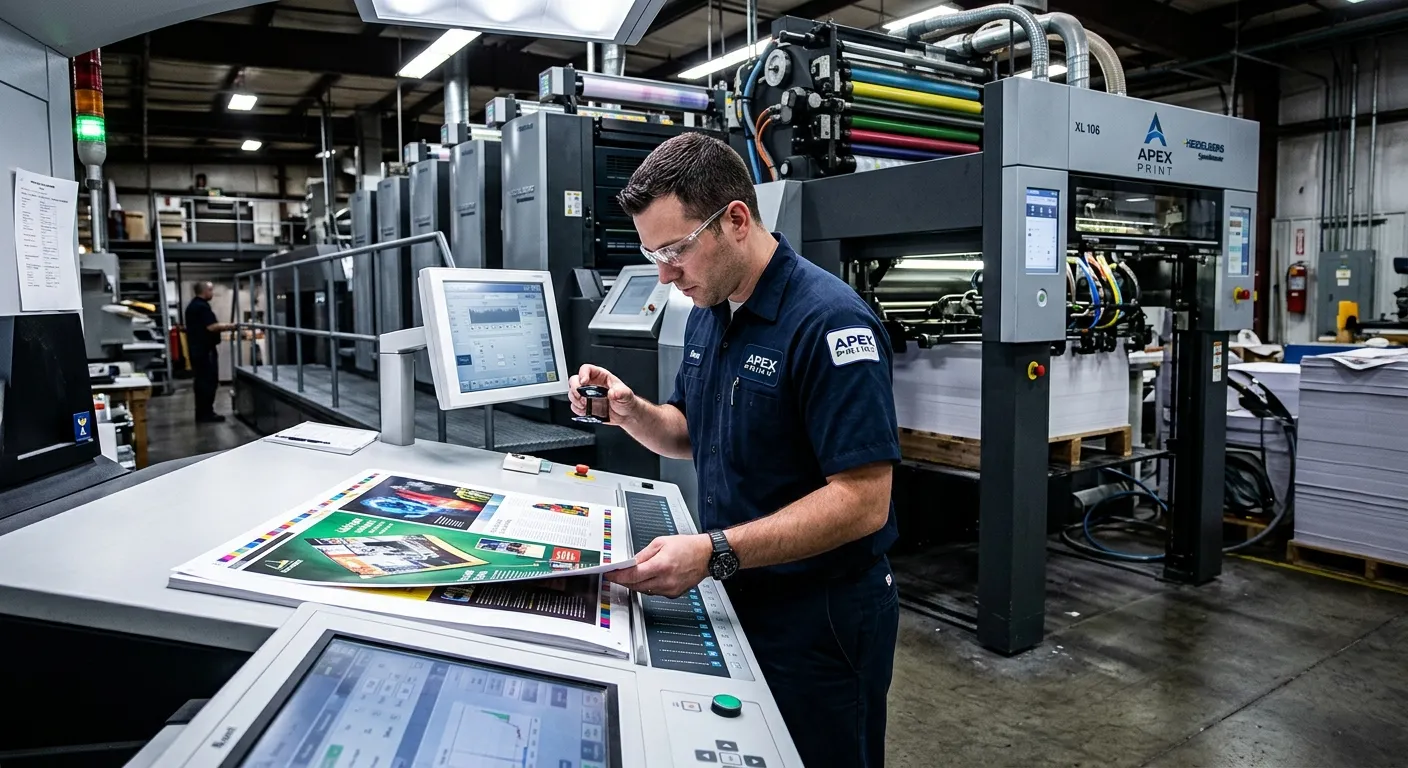
The heart of the operation. Skills are highly machine-specific. An operator proficient on a 6-colour litho press may not be adept at running a high-speed digital web press. This is where niche, experience-driven temporary staffing shines.
Staffing Strategy: Build a roster of trusted temporary operators for each press type you own. For permanent hires, implement rigorous practical assessments on your actual machinery. The precision required is comparable to roles in a tightly managed supply chain operation.
Bindery & Finishing Specialists
This area is often the bottleneck. Skilled finishers who can operate complex stitching, folding, cutting, and embossing machines are worth their weight in gold. A mistake at this final stage can ruin an entire print run.
Staffing Strategy: Temporary staff are ideal for handling overflow from the bindery. Look for agencies that can provide crews experienced with specific equipment like Polar cutters or MBO folders. Effective workflow management, akin to a Traffic Marshall Hire for logistics, is crucial here to keep materials moving.
Quality Control & Logistics
The final line of defence. QC inspectors need a keen eye for detail and deep knowledge of print defects. Logistics coordinators ensure finished goods are packed, labelled, and shipped correctly.
Staffing Strategy: These can be excellent roles for temporary-to-permanent placements. Bring someone in for a peak season to evaluate their diligence and accuracy. Their role in customer satisfaction is as front-facing as a hotel receptionist is to guest experience.
Implementing a Successful Staffing Strategy: A Step-by-Step Action Plan
Conduct a Skills Gap Audit
Map your current workforce's skills against your current and projected workload. Identify critical gaps: Do you lack expertise in wide-format printing? Is your bindery struggling with complex foil stamping jobs? This audit should also review workflow efficiency—could a Traffic Marshall Hire or production coordinator streamline your process? Understanding your exact needs is the foundation of effective Print Production Staffing.
Define Clear Role Requirements
For each role, whether permanent or temporary, create a detailed specification. Go beyond"Press Operator." Specify:"Heidelberg Speedmaster XL 106 6-colour + coater operator with 5+ years experience and fault-finding knowledge." The more precise you are, the better a staffing partner can match you. This level of detail is what separates generic job boards from specialised agencies focused on finding staff for technical industries.
Partner with a Specialised Staffing Agency
Generalist recruiters often lack the network and understanding of print production nuances. A specialist agency will have a pre-vetted pool of talent, understand the safety protocols (e.g., manual handling, machinery guards), and can often provide staff at short notice. They act as an extension of your HR department, handling payroll, compliance, and performance issues. For a broader look at our approach, learn more about us and our industry-specific methodology.
Integrate & Onboard Effectively
Temporary staff must be integrated swiftly to be productive. Assign a permanent team member as a buddy, provide clear briefs on job tickets, and ensure they understand your quality sign-off procedures. A well-structured onboarding process for all workers, permanent or temporary, is a hallmark of businesses that excel at building stellar teams, as outlined in our guide to best hire employees.
Monitor, Provide Feedback, & Optimize
Continuously assess the performance of your staffing strategy. Are deadlines being met with less overtime? Has waste decreased? Provide regular feedback to both your permanent team and your staffing agency. Use data to forecast future needs, creating a more predictive staffing model that saves time and money in the long run.
Frequently Asked Questions: Print Production Staffing
How quickly can I get skilled print production staff?
With a specialised agency, you can often fill critical roles within 24-72 hours for temporary positions. For permanent placements, the process typically takes 2-4 weeks to ensure a perfect cultural and skills-based fit. The speed is comparable to urgent roles in other sectors, such as those for a helpdesk in Cambridge, where immediate start is crucial.
What's the difference between a temp worker and a contract worker in print?
Typically, a temporary worker is hired for short-term, often unpredictable needs like covering sickness or a one-week peak. A contract worker is usually engaged for a fixed term on a specific project (e.g., a 3-month packaging run for a new product launch). Both are sourced through an agency, which manages their payroll and employment rights, providing you with flexibility without administrative burden.
How do you ensure temporary staff are qualified for specialist machinery?
Reputable agencies conduct rigorous vetting. This includes verifying CVs, checking references specifically related to machinery experience, and often administering practical skills assessments or detailed technical interviews. You should always provide the agency with the exact make and model of your equipment. The due diligence is as stringent as that for highly technical fields, similar to verifying credentials for a nuclear engineer placement.
Can a Traffic Marshall role really benefit a print shop?
Absolutely. While the term originates from construction, the principle is vital in any complex workflow environment. A production traffic manager coordinates the movement of jobs, paper stocks, plates, and finished goods across the shop floor. They prevent collisions in schedule, ensure the right materials are at the right press at the right time, and communicate delays. This proactive coordination reduces idle press time and operator frustration, directly boosting throughput and profitability.
What are the hidden costs of poor print production staffing?
Beyond the obvious overtime payments, hidden costs are immense: Material Waste: Mistakes by untrained or rushed operators waste paper, ink, and plates. Missed Deadlines: Leading to contract penalties and lost future business. Machine Damage: Improper operation can cause costly breakdowns. Reputational Harm: Consistent late or poor-quality work damages your brand. Permanent Staff Turnover: Burnout from constant overwork leads to losing your most experienced people. Investing in strategic Print Production Staffing mitigates all these risks.
Ready to Optimize Your Print Production Workforce?
Stop letting staffing challenges limit your growth and profitability. Whether you need a specialist press operator tomorrow, a full bindery crew for a seasonal project, or strategic advice on building a hybrid team, we provide the expert Print Production Staffing solutions you need.
Get the right talent, with the right skills, at the right time. Let's discuss your specific print production challenges.