


Your Strategic Guide to Hiring a Top Goods Clearer
A comprehensive playbook for logistics managers and warehouse supervisors to identify, recruit, and retain the skilled Goods Clearers who keep your supply chain moving efficiently and safely.
Hire a Goods Clearer Today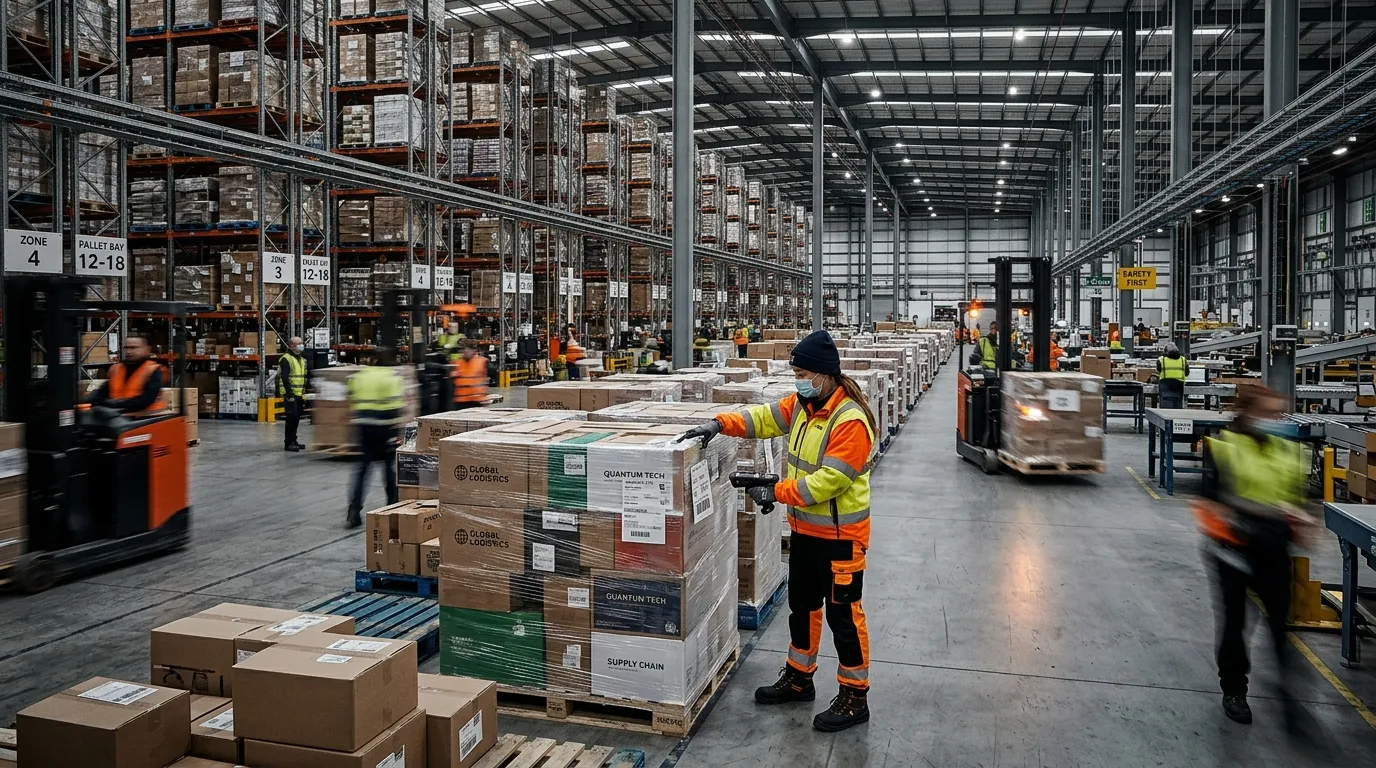
The Multi-Faceted Role of a Goods Clearer: A Complete Overview
The term"Goods Clearer" encompasses a spectrum of critical logistics functions. Understanding these categories is the first step to hiring the exact skillset your operation requires.
What Does a Goods Clearer Actually Do?
A Goods Clearer is the linchpin of warehouse and port operations, responsible for the accurate and efficient movement of inventory from receiving to dispatch. Far from a simple manual role, it involves a blend of physical handling, technological proficiency, and meticulous attention to documentation and safety protocols.
- Receiving & Inspection: Unloading goods, verifying quantities against purchase orders (POs), and inspecting for damage.
- Sortation & Labelling: Sorting items by destination, SKU, or priority, and applying correct barcode or RFID labels.
- Documentation & Data Entry: Updating Warehouse Management Systems (WMS), processing Goods Receipt Notes (GRNs), and managing customs documentation for international freight.
- Storage & Put-away: Determining optimal storage locations based on size, turnover rate, and compatibility, often using equipment like pallet jacks or coordinating with a Forklift Operator.
- Dispatch Preparation: Picking and assembling orders, conducting final checks, and loading goods securely onto outbound vehicles.
Pro-Tip:
In high-volume environments, the line between a Goods Clearer and a dedicated Forklift Operator can blur. Consider whether you need a multi-skilled operative or specialists. For focused Forklift Operator Hiring Batangas or similar regional needs, a specialist agency can target certified talent pools more effectively.
Essential Skills, Qualifications & Certifications
Identifying the right candidate goes beyond experience. Here are the non-negotiable and preferred attributes to screen for.
Hard Skills & Certifications
- Counterbalance Forklift Licence (B1, B2)
- Reach Truck / PPT Licence
- Proficiency with WMS/ERP systems (e.g., SAP, Oracle)
- Manual Handling Certification
- Understanding of COSHH regulations
Soft Skills & Attributes
- Meticulous Attention to Detail
- Problem-Solving Under Pressure
- Time Management & Prioritisation
- Clear Communication (written & verbal)
- Strong Teamwork & Safety-Conscious Mindset
Modern Hiring Strategies for Goods Clearers
The competition for reliable logistics talent is fierce. A strategic approach is no longer a luxury—it's a necessity to avoid costly vacancies.
Expert Insight:
Many businesses make the mistake of using a one-size-fits-all recruitment advert. The process for hiring a Goods Clearer for a chilled food operation is fundamentally different from hiring for e-commerce fulfilment. Tailor your job description to the specific environment, equipment, and pace of work. For a deep dive into adaptable staffing models, review our Temporary Staffing Solutions Guide For Modern Businesses.
Consider a blended workforce model. Use permanent staff for core functions and leverage temporary Goods Clearers for seasonal peaks, large shipments, or cover for absences. This model, detailed in The Ultimate Guide To Temp Work Staffing, offers flexibility and cost-control. When you need to scale rapidly, a platform like Quick Hire can connect you with pre-vetted candidates in your area within hours, not weeks.
Why Investing in a Skilled Goods Clearer is Non-Negotiable
The impact of this role reverberates through your entire operation, affecting cost, compliance, and customer satisfaction.
Accuracy & Inventory Integrity
A proficient Goods Clearer minimises mis-picks, shipping errors, and inventory shrinkage. Accurate data entry at the point of receipt prevents costly downstream errors in order fulfilment and financial reconciliation, ensuring your stock levels are always reliable.
Throughput Velocity & Efficiency
Skilled clearers understand workflow optimisation. They reduce bottlenecks at receiving bays, ensure fast put-away to free up dock space, and prepare dispatches promptly. This directly translates to faster order cycles and the ability to handle higher volumes without expanding your footprint.
Safety & Compliance Leadership
They are your first line of defence against workplace accidents. Proper manual handling, safe equipment use (often as a certified Forklift Operator), and adherence to site-specific rules protect your team, avoid HSE penalties, and reduce costly downtime from injuries. This is a core focus in all our Staffing Services.
The Real Cost of an Underperforming Goods Clearer
While the salary of a Goods Clearer is a visible line item, the hidden costs of hiring the wrong person—or leaving the role vacant—are staggering and often overlooked in budget planning.
- £ Direct Financial Loss: Incorrect shipments lead to returns, re-shipping costs, and potential loss of the customer. Damaged goods due to poor handling write off inventory value completely.
- ⏱️ Operational Inefficiency: Bottlenecks at the dock cause driver detention fees, delayed production lines waiting for components, and overtime costs for other staff compensating for slow throughput.
- ⚠️ Safety & Compliance Risks: One serious accident can result in six-figure fines, increased insurance premiums, and devastating human cost. This risk is magnified when roles like Forklift Operator Hiring Batangas or other specialist positions are filled without rigorous vetting.
Case Study: The 24-Hour Turnaround
A mid-sized distributor in Leeds faced a crisis: their lead Goods Clearer left without notice on the eve of a major retail delivery. In-house HR estimated a 3-week hiring cycle. Using a targeted staffing partner, they accessed a pre-screened pool of local talent.
The Result: A fully certified and experienced temporary Goods Clearer was on site within 24 hours. The peak shipment was processed on time, avoiding over £15,000 in potential penalty charges and lost revenue.
This mirrors the urgent placement capability we offer for roles like Warehouse Jobs in Leeds, where speed and reliability are paramount.
Visual Insight: The Forklift Specialist Dimension
For many Goods Clearer roles, forklift operation is a critical component. Understanding how to hire for this specific skill set is crucial for safety and efficiency.
This video breaks down the certifications, vetting process, and key interview questions for hiring qualified forklift operatives—a vital subset of the Goods Clearer function.
Actionable Hiring Checklist for Your Next Goods Clearer
Follow this step-by-step guide to streamline your recruitment process and secure top-tier talent.
1 Pre-Interview Phase
- Define the Specifics: Is it a purely manual role, or does it require Forklift Operator certification? Specify the equipment (reach truck, counterbalance) and systems used.
- Craft a Magnetic Job Ad: Go beyond duties. Highlight your company's culture, shift patterns, and any unique perks. Use clear job titles (e.g.,"Night Shift Goods Clearer with FLT Licence").
- Leverage Specialised Channels: Post on logistics job boards and partner with agencies that specialise in Supply Chain and warehouse recruitment. For broad talent sourcing, explore our Find Staff portal.
2 Interview & Selection Phase
- Conduct a Practical Assessment: If possible, include a safe, supervised task—e.g., checking a dummy pallet against a picking list, or a basic WMS data entry test.
- Ask Scenario-Based Questions:"You receive a shipment with visible damage. What steps do you take?" or"How do you prioritise your tasks when two urgent trucks arrive simultaneously?"
- Verify Certifications Rigorously: Physically check forklift licences and ask for the card number to verify with the accrediting body if necessary.
- Check for Cultural Fit: A Goods Clearer must integrate with the existing team and uphold safety culture. Involve a senior team member in the interview.
Frequently Asked Questions: Goods Clearer Hiring
Get clear, expert answers to the most common questions logistics managers ask.
These roles often overlap, but key distinctions exist. A Warehouse Operative is a broader term covering various tasks (picking, packing, loading). A Goods Clearer specifically focuses on the inbound process: receiving, inspecting, documenting, and putting away new stock. A Forklift Driver is defined by their equipment certification; they may perform clearing duties but are primarily tasked with moving goods using forklifts. Many modern roles, especially for Forklift Operator Hiring Batangas or similar logistics hubs, seek a hybrid"Goods Clearer/FLT Driver."
Speed is critical. The most effective method is to partner with a specialist staffing agency that maintains a live database of vetted, available candidates. They handle advertising, screening, and compliance checks (right-to-work, certifications), presenting you with qualified options often within a few hours. For a reliable rapid-response service, explore our dedicated Quick Hire solution, designed for precisely these scenarios.
Beyond role-specific equipment licences, core safety certifications are essential. These include: Manual Handling (to prevent musculoskeletal injuries), Health & Safety Awareness (often a Level 1 or 2 award), and Fire Safety Awareness. For environments with specific hazards, COSHH (Control of Substances Hazardous to Health) awareness is vital. A candidate who proactively holds these certs demonstrates a strong safety mindset, reducing your operational risk.
The optimal strategy is often a blended approach. Hire permanent staff for your core, consistent workload to build team cohesion and deep operational knowledge. Then, use temporary Goods Clearers to manage predictable peaks (holiday seasons, Black Friday), cover unexpected absences, or handle special projects. This model offers flexibility, controls fixed labour costs, and allows you to"try before you buy" with potential permanent hires. Our guide on Temp Work Staffing explores this balance in detail.
Streamline Your Logistics Hiring Today
Don't let a vacant Goods Clearer role become a bottleneck that costs you time, money, and customer trust. Access a network of pre-vetted, skilled logistics professionals ready to integrate into your team.
Whether you need a permanent specialist, urgent temporary cover for a Forklift Operator, or strategic advice on building a resilient warehouse team, we provide the tailored Staffing Services you need to operate with confidence.
Tailoring Your Search: Goods Clearers for Different Industries
The core skills of a Goods Clearer are universal, but the operational context varies drastically. Hiring for a pharmaceutical warehouse is not the same as hiring for a construction supplier. Understanding these nuances is key to finding a candidate who will thrive in your specific environment.
Temperature-Controlled Logistics
Hiring for chilled or frozen goods requires candidates with experience working in extreme environments. Beyond standard certifications, look for:
- Knowledge of cold chain compliance and temperature monitoring procedures.
- Proficiency in handling insulated packaging and understanding dwell time limits.
- Personal resilience and experience with appropriate PPE for sub-zero temperatures.
The vetting process for these roles must be exceptionally thorough, as a single protocol breach can result in entire shipments being condemned.
E-Commerce & High-Volume Fulfilment
Speed and accuracy under constant pressure define this sector. The ideal candidate thrives on metrics and process optimization.
- Experience with high-speed sortation systems, pick-to-light, and voice-picking technology.
- Ability to handle a vast and constantly changing SKU range, from electronics to apparel.
- Mindset geared towards continuous improvement and hitting daily targets for units per hour (UPH).
During interviews, present real-world scenarios involving system downtime or a sudden spike in"same-day" orders to gauge problem-solving agility.
Hazardous Materials & Chemical Storage
This specialised field demands the highest level of procedural adherence and regulatory knowledge. Standard clearing skills are just the baseline.
- In-depth COSHH training and experience with Safety Data Sheets (SDS).
- Understanding of segregation rules for incompatible substances and specific storage conditions.
- Certification in handling dangerous goods (e.g., ADR for transport) may be required.
Verification of certifications and a clean, auditable safety record is non-negotiable. Consider a probation period with close supervision for even experienced hires.
Future-Proofing Your Team: Technology & The Modern Goods Clearer
The warehouse floor is undergoing a digital transformation. The Goods Clearer of tomorrow is not just a manual handler, but a tech-enabled logistics technician. Hiring with an eye on these evolving skills ensures your team remains competitive and efficient.
Essential Tech Proficiencies to Screen For
While specific systems vary, a candidate's adaptability to technology is a strong predictor of long-term success. Look for experience or demonstrated aptitude with:
- RF Advanced RF Scanning & Wearables: Beyond basic gun scanners, familiarity with ring scanners, wrist-mounted terminals, or smart glasses for hands-free operation increases pick/put-away speed significantly.
- WMS Deep WMS/ERP Navigation: Can they troubleshoot a"location full" error? Do they understand cycle count modules? Probe for system logic understanding, not just button-pushing.
- IoT IoT & Automation Awareness: Experience working alongside Automated Guided Vehicles (AGVs), conveyor sortation systems, or robotic pick cells is a huge advantage. It indicates an ability to collaborate with automation, not be replaced by it.
- D Basic Data Literacy: The ability to interpret a simple dashboard showing today's received lines or understand a discrepancy report is becoming a core skill for proactive problem-solving.
Case Study: Upskilling for Automation
A large 3PL provider in the Midlands introduced a new fleet of AGVs to transport pallets from receiving to the put-away zone. Initially, long-serving Goods Clearers were resistant, fearing job displacement.
The Solution: Management identified two tech-savvy clearers and trained them as"Automation Liaisons." Their role was to oversee the AGV workflow, manage exceptions (e.g., a dropped pallet), and train their peers. This turned a threat into an upskilling opportunity.
The Outcome: Put-away cycle time improved by 22%, and manual travel was reduced, lowering physical fatigue. The liaisons gained valuable new skills, and morale improved as the team saw technology as a tool, not a replacement. This highlights the value of hiring for adaptability as much as for current skill.
Beyond the Hire: Retention Strategies for Goods Clearers
Finding a great Goods Clearer is only half the battle. In a competitive market, retaining them is critical to avoiding the costly cycle of re-hiring and re-training. A strategic onboarding and engagement plan is your best defence against turnover.
The First 90 Days: Structured Onboarding
A"sink-or-swim" approach leads to early frustration and failure. Implement a phased onboarding plan:
-
Week 1-2 Orientation & Shadowing
Focus on Safety & Culture.
Comprehensive site safety induction, system logins, and paired shadowing with a trusted senior team member. No productivity expectations—only learning.
-
Week 3-6 Guided Practice
Controlled Task Execution.
The new hire performs core tasks (e.g., processing a single receiving bay) under supervision. Regular feedback sessions with the line manager to address questions.
-
Week 7-12 Integration & Feedback
Full Integration & Review.
Handles full workload. Schedule a formal 90-day review to discuss performance, career aspirations, and any additional training needs (e.g., forklift licence renewal).
Building Long-Term Engagement
To keep your top performers, you must offer more than just a pay cheque. Consider these evidence-based retention drivers:
- Clear Career Pathways: Define progression routes, e.g., from Goods Clearer to Team Leader, Inventory Controller, or FLT Trainer. Offer sponsorship for relevant certifications.
- Recognition & Fair Incentives: Implement performance-based bonuses for accuracy or throughput. Publicly recognise"Employee of the Month" contributions to safety or process improvement.
- Invest in the Work Environment: Ergonomic equipment, clean and well-lit facilities, and proper break areas show you value employee well-being, directly impacting morale and productivity.
- Open Communication Channels: Hold regular team briefings and one-to-ones. Empower clearers to suggest process improvements—they are the eyes and ears of your operation.
Remember: The cost of replacing a Goods Clearer (recruitment fees, training time, lost productivity) can be 1.5x their annual salary. A proactive investment in retention is one of the most cost-effective decisions a logistics manager can make.