


Goods In And Out: The Complete Guide to Efficient Warehouse Flow and Forklift Operator Hiring Cebu Strategies
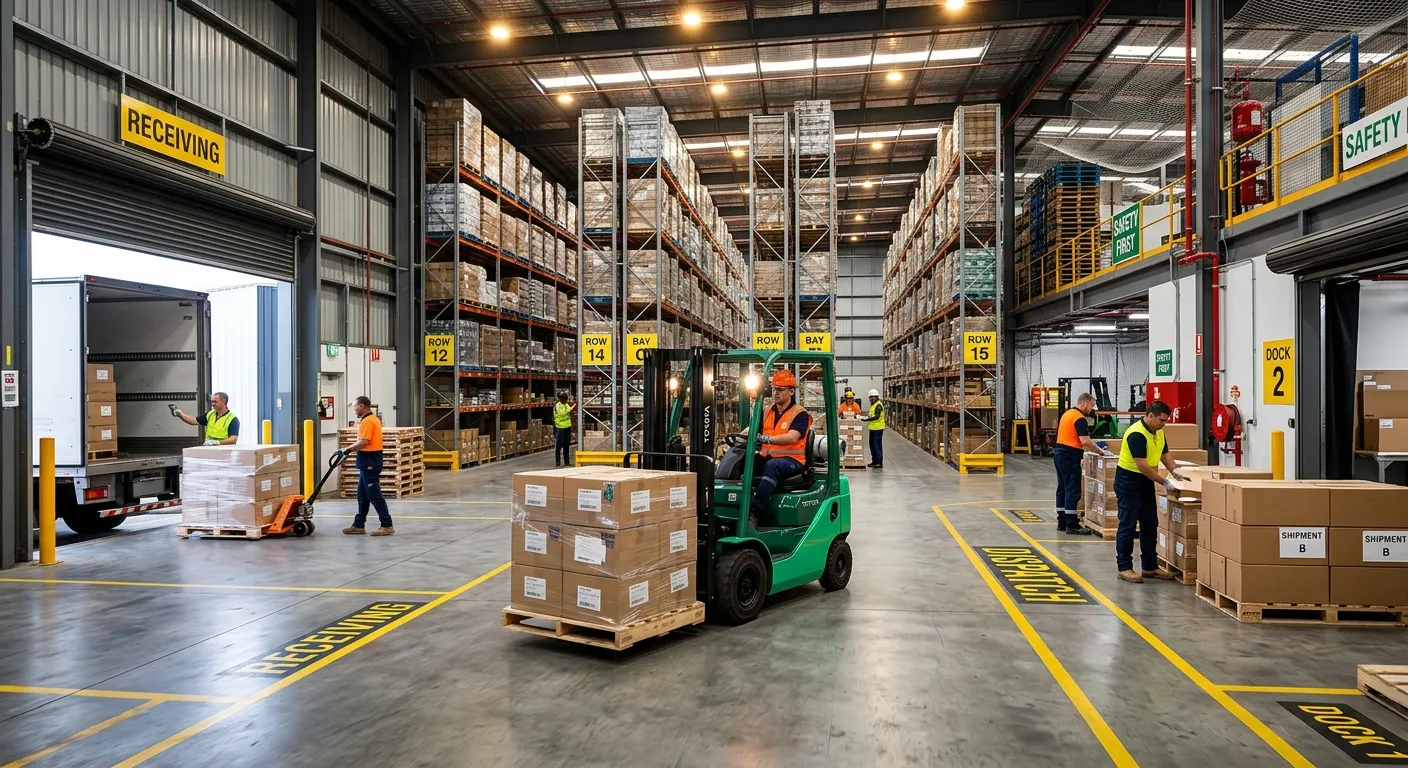
Goods In And Out is the operational backbone of every high-performing warehouse, distribution centre, and supply chain team. When inbound and outbound movements are controlled, documented, and executed with precision, businesses gain faster order cycles, fewer errors, stronger inventory visibility, and a safer working environment. This guide explores what Goods In And Out means, how to improve it, and why skilled warehouse personnel—especially forklift operators—are critical to maintaining momentum.
About Goods In And Out: Why Inbound and Outbound Flow Matters
Goods In And Out refers to the controlled movement of inventory into and out of a facility. On the inbound side, it covers receiving, inspection, documentation, putaway, and stock recording. On the outbound side, it includes order release, picking, packing, staging, loading, and dispatch. When these processes are fragmented, warehouses experience delays, misplaced stock, shipping errors, and rising labour costs.
Strong Goods In And Out discipline creates a predictable rhythm across the warehouse. It allows teams to respond to customer demand without sacrificing accuracy. It also helps supervisors allocate labour more effectively, whether the operation is handling seasonal peaks, daily retail replenishment, manufacturing components, or e-commerce fulfilment. For businesses searching for Warehouse support, understanding this flow is the first step toward building a more reliable and scalable operation.
In many facilities, the difference between a smooth day and a chaotic one is not technology alone—it is process clarity and staffing quality. A well-trained receiving clerk, a competent forklift operator, and a disciplined dispatch team can prevent bottlenecks before they spread. This is why Best Hire Employees strategies should always align with warehouse workflow design.
Interactive Overview: Core Categories of Goods In And Out
Goods In: Receiving and Putaway
Goods In begins before a vehicle arrives. It includes appointment scheduling, dock allocation, expected delivery visibility, and preparation of receiving space. Once stock arrives, teams verify quantities, check for damage, record batch or serial information, and update inventory systems. Putaway then places goods into the correct storage location so they are accessible for picking, replenishment, or quality checks.
Goods Out: Order Fulfilment and Dispatch
Goods Out covers the journey from order confirmation to shipment departure. Orders must be released accurately, picked efficiently, checked, packed correctly, and staged for the right carrier or delivery window. Speed matters, but accuracy matters more. A well-run outbound process reduces returns, improves customer confidence, and protects warehouse margins.
Returns Flow: Reverse Logistics
Returns are often overlooked in Goods In And Out discussions, yet they can create major disruption if uncontrolled. Reverse logistics includes receiving returned goods, inspecting condition, categorising disposition, restocking, refurbishing, or disposing of items. Clear returns processes prevent inventory distortion and reduce the risk of defective stock re-entering the outbound stream.
Inventory Control: Accuracy and Visibility
Inventory control is the connective tissue between Goods In and Goods Out. Cycle counting, location audits, batch tracking, and system updates ensure that what is stored matches what is recorded. Without this visibility, warehouses risk stockouts, overstocking, mispicks, and poor forecasting. Strong inventory discipline makes every other Goods In And Out process more reliable.
Key Benefits of Optimised Goods In And Out Operations
When inbound and outbound movements are managed as one connected system, the benefits extend beyond the warehouse floor. They influence customer satisfaction, labour planning, safety, and financial performance.
Faster Throughput
Clear receiving and dispatch routines reduce dwell time on the dock and shorten order cycle times. Teams move stock more predictably, which improves daily throughput without adding pressure to the floor.
Fewer Operational Errors
Standardised checks at Goods In and Goods Out reduce wrong picks, incorrect labels, damaged goods, and shipment mismatches. Fewer errors mean fewer returns, less rework, and stronger customer confidence.
Safer Working Conditions
Organised flow paths, clean dock areas, and disciplined equipment use reduce congestion and accident risk. This is especially important when forklifts, pallet trucks, and pedestrian traffic share the same environment.
Deep Dive: How to Strengthen Goods In
A disciplined Goods In process is the first line of defence against inventory problems. If incoming stock is recorded incorrectly, every downstream action inherits that error. Improving inbound quality is one of the fastest ways to stabilise warehouse performance.
1. Control the Receiving Schedule
Uncontrolled arrivals create congestion. Use scheduled dock appointments, communicate expected volumes, and align receiving staffing with delivery peaks. In busy distribution centres, teams often coordinate with Warehouse Jobs in Leeds partners to secure extra support during high-inbound periods.
2. Improve Documentation Accuracy
Purchase orders, delivery notes, and system receipts must match. Train staff to check SKU codes, quantities, batch numbers, expiry dates, and supplier references. Missing documentation should be treated as a red flag, not a minor administrative issue.
3. Inspect Before Putaway
Damaged goods must be identified immediately. Inspection should cover packaging integrity, pallet condition, product temperature where relevant, and any supplier-specific handling requirements. If damaged stock is put away without being flagged, it can contaminate inventory records and delay claims.
4. Optimise Putaway Locations
Putaway should not be random. Fast-moving items need accessible locations, heavy items need stable racking, and fragile products need protected storage. A logical putaway strategy supports faster picking and reduces unnecessary travel time later in the Goods Out process.
Pro Tip: Make Goods In a Quality Gate, Not Just a Speed Gate
Many warehouses focus only on unloading quickly. The smarter approach is to combine speed with quality verification. A slightly slower, accurate receipt protects the entire operation from hidden errors that surface during picking, shipping, or stock counts.
Deep Dive: How to Strengthen Goods Out
Goods Out is where warehouse performance becomes visible to customers. Late, inaccurate, or damaged shipments damage trust quickly. A strong outbound process is not just about speed—it is about precision, sequencing, and controlled handover.
1. Release Orders Strategically
Orders should be released based on priority, carrier cut-off times, inventory availability, and workload balance. Releasing all orders at once can overwhelm pickers and create bottlenecks. A controlled release sequence keeps flow smoother and improves on-time dispatch.
2. Standardise Picking Methods
Whether the warehouse uses batch picking, zone picking, or wave picking, the method must match order profile and layout. Clear pick paths, consistent labelling, and accurate location data reduce search time and improve productivity.
3. Verify Before Packing
Packing is not just about boxing items. It is the final quality checkpoint. Verify product, quantity, condition, packaging requirements, and documentation. For regulated goods, add batch, expiry, or serial checks before sealing.
4. Manage Staging and Loading Discipline
Staging lanes should be clearly labelled by route, carrier, or customer. Loading must follow a safe and logical sequence to avoid double handling. Poor staging is one of the most common causes of missed deliveries and dock delays.
Pro Tip: Align Goods Out with Carrier Windows
A warehouse can be efficient internally and still fail externally if dispatch timing is misaligned with carrier schedules. Build outbound planning around cut-off times, vehicle arrival windows, and route sequencing to prevent last-minute rush and incomplete loads.
Technology, Metrics, and Continuous Improvement
Technology does not replace good process—it makes good process easier to sustain. The best warehouses combine structured workflow, trained people, and digital visibility to improve Goods In And Out performance.
Useful Tools for Better Flow
- Barcode or RFID scanning for receiving, picking, and dispatch verification
- Warehouse Management System (WMS) visibility for location and order status
- Task management systems for labour allocation and priority control
- Dock scheduling software to reduce vehicle congestion
- Mobile devices and wearables for hands-free accuracy
KPIs That Reveal the Truth
- Receiving accuracy rate
- Putaway cycle time
- Pick accuracy and pick productivity
- Order lead time
- On-time dispatch percentage
- Inventory record accuracy
- Return rate caused by fulfilment errors
KPIs are only valuable when reviewed with context. A drop in pick accuracy may point to poor training, unclear labelling, rushed order release, or inadequate staffing. That is why operational reviews should always connect performance data to people, process, and layout. For broader planning, teams can refer to Supply Chain resources to align warehouse execution with wider business demand.
Staffing Goods In And Out: Why People Are the Real Advantage
Even the best Goods In And Out system will fail if the workforce is undertrained, under-resourced, or poorly matched to the role. Warehouse flow depends on disciplined receiving staff, reliable pickers, accurate packers, and safe equipment operators. Hiring with intention is therefore part of operational excellence, not just an HR task.
The Core Roles That Keep Flow Moving
- Receiving clerks who verify documents and inspect goods
- Warehouse operatives who support putaway, replenishment, and movement
- Order pickers who maintain speed without compromising accuracy
- Packing and dispatch teams who protect the final customer experience
- Forklift operators who move heavy or high-volume stock safely
Forklift Operator Hiring Cebu: What to Look For
In markets such as the Philippines, Forklift Operator Hiring Cebu requires more than checking a licence. Employers should assess practical experience, safety awareness, load handling discipline, and familiarity with the specific equipment used on site. A competent operator knows when to slow down, how to manage blind corners, and how to communicate around pedestrians.
The right operator supports both Goods In and Goods Out by reducing damage, improving putaway speed, and preventing dock bottlenecks. That is why training records, shift adaptability, and behavioural safety habits should be part of every hiring conversation. If you need flexible warehouse coverage, Temporary Staffing Solutions Guide For Modern Businesses can help you structure a more responsive workforce plan.
Pro Tip: Match Skill Level to Warehouse Risk
Not all warehouse roles carry the same risk. Receiving, forklift operation, and dispatch loading often require stricter vetting than low-risk packing tasks. Hire for reliability and safety first, then optimise for speed.
For a practical training perspective, watch this forklift staffing explainer:
Temporary staffing can also reduce pressure during peak Goods In And Out cycles. When inbound volume rises or outbound deadlines tighten, having access to experienced operatives can prevent bottlenecks before they escalate. Teams that plan ahead often use Our Staffing Services to secure dependable support quickly.
FAQ: Goods In And Out Best Practices
Treating inbound and outbound as separate silos. Goods In errors often surface later in Goods Out as mispicks or shipment delays. The best warehouses connect both processes through shared data, clear handovers, and consistent accuracy checks.
Use scheduled arrivals, pre-alerted documentation, clear dock zones, and trained receiving staff. Speed improves when teams are prepared before the vehicle arrives, not when they rush after it docks.
Forklift operators directly affect safety, product condition, and movement speed. Poor handling can cause damage, congestion, and accidents, while skilled operators improve both Goods In and Goods Out performance.
Yes. Temporary staffing can provide flexibility during peaks, shortages, or urgent cover. It is especially useful when inbound or outbound volumes fluctuate and permanent teams alone cannot absorb the demand.
Accuracy is usually more important than raw speed. A fast warehouse that makes frequent errors will eventually lose more time and money through rework, returns, and customer dissatisfaction than a controlled, reliable operation.
Ready to Strengthen Your Goods In And Out Workflow?
Better warehouse flow starts with the right people, process, and support. If you need dependable warehouse operatives, forklift operators, or flexible staffing during peak inbound and outbound demand, take the next step today.
Hire Staff Today