


Mastering the Search: Your Definitive Guide to Premier Head Chef Jobs & Culinary Leadership
Navigate the dynamic world of culinary recruitment. Whether you're a restaurant seeking a visionary leader or a chef aiming for the top role, this guide provides the roadmap to success, including insights on finding specialized roles like Pastry Jobs Near Me.
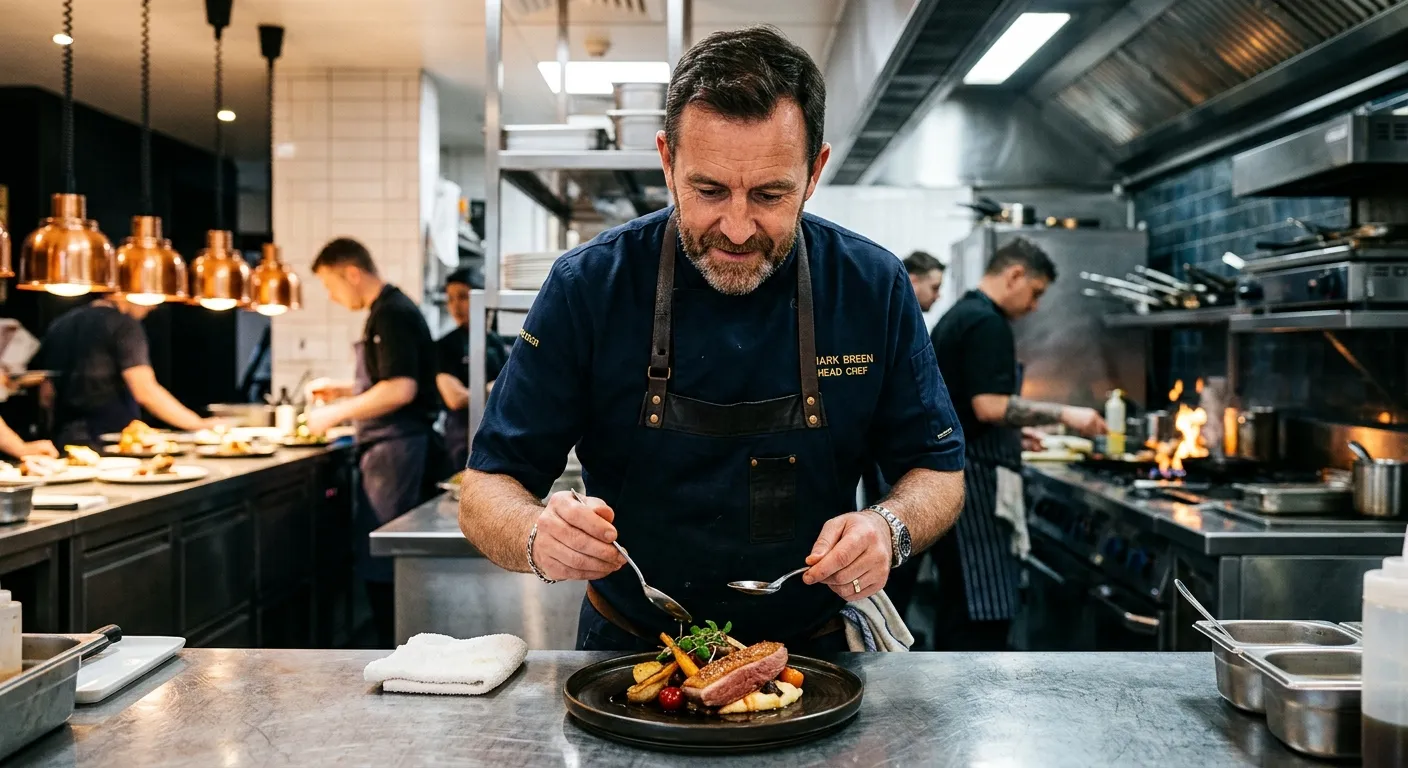
Navigating the Culinary Job Market
The landscape for Head Chef Jobs is more competitive and dynamic than ever. The role has evolved from a purely operational kitchen manager to a strategic business leader, financial controller, and brand ambassador. Successful head chefs directly impact profitability, customer satisfaction, and staff retention. For businesses, finding this key person is as critical as securing the right location. This demand creates a vibrant but challenging market for both hiring managers and culinary professionals. Understanding trends, such as the rise of plant-based cuisine, sustainability sourcing, and the need for agile leadership post-pandemic, is essential. Just as in sectors like warehouse operations, the culinary field benefits from specialized recruitment strategies to match the right leader with the right kitchen culture.
The Essential Pillars of a Successful Head Chef
Modern culinary leadership is built on a foundation of diverse skills. Here are the non-negotiable attributes that define top-tier candidates for Head Chef Jobs.
Visionary Menu Creation & Cost Control
A head chef is the creative and financial engine of the menu. This involves designing dishes that delight customers and align with food cost targets (typically 28-35%). It requires deep knowledge of seasonal produce, supplier negotiation, and waste reduction techniques. A profitable menu is a balanced act of creativity and ruthless cost analysis.
Leadership & Brigade Management
Leading a diverse, often high-pressure kitchen team requires exceptional communication, mentorship, and conflict-resolution skills. The best head chefs inspire loyalty, provide clear direction, and foster a culture of continuous improvement and respect. They are responsible for training, scheduling, and maintaining morale, directly impacting staff retention rates.
Business Acumen & Vendor Relations
Today's head chef is a business partner. They must understand P&L statements, contribute to budgeting, and manage inventory systems. Building strong relationships with reliable suppliers—from local farmers to specialty wholesalers—is crucial for quality, consistency, and cost-effectiveness, ensuring a smooth supply chain.
A Strategic Blueprint for Hiring Your Next Head Chef
Filling a Head Chef vacancy is a mission-critical project. A haphazard approach risks hiring a skilled cook who lacks leadership, or a charismatic leader who can't control costs. Follow this structured blueprint to secure the right talent.
Phase 1: Define & Attract
Before writing a job ad, conduct an internal audit. What are the specific challenges of your kitchen? What cultural values are non-negotiable? Create a comprehensive candidate persona. Then, craft a job description that sells the opportunity, not just lists demands. Utilize niche job boards, culinary schools, and, most effectively, a specialized recruitment agency. Partnering with experts, like those detailed in our guide to building a stellar team, can dramatically increase your reach into passive candidate networks.
Pro-Tip for Employers:
Don't just assess a chef's signature dishes. Ask them to critique your current menu, propose a seasonal special based on your supplier list, and outline their first 30-day plan. This tests practical, on-the-job thinking.
Phase 2: Evaluate & Select
The interview process should be multi-stage. Initial screening can verify experience and salary expectations. The second stage should involve key stakeholders (GM, Owner). The final, and most critical, stage is a practical assessment. This could be a"stage" (working trial in your kitchen), a menu planning exercise, or a financial scenario test. Look for alignment with your business's operational style. For instance, a high-volume chain restaurant needs a different skillset than an intimate fine-dining establishment, similar to how the staffing needs differ between a general warehouse and a specialized medical practice.
- Taste Test: Have them prepare and present 2-3 dishes that reflect their style and your concept.
- Leadership Simulation: Present a common kitchen conflict scenario and evaluate their proposed resolution.
- Financial Literacy Check: Provide a sample of last week's food purchases and sales; ask them to identify potential issues or savings.
Ascending to the Head Chef Role: A Candidate's Action Plan
Your journey to securing one of the top Head Chef Jobs requires deliberate preparation. It's a competitive marathon, not a sprint. Here’s how to build an irresistible candidacy.
Building Your Professional Portfolio
Beyond a CV, create a living portfolio. Document your menu successes with high-quality photos and, crucially, include data: food cost percentage achieved, sales increases for featured dishes, staff retention improvements under your leadership, and positive press reviews. Quantify your achievements. If you're targeting specialist roles like Pastry Jobs Near Me, your portfolio should distinctly showcase your patisserie expertise, chocolate work, and bread-baking mastery.
Networking is also key. Attend industry events, engage on professional platforms like LinkedIn, and consider registering with agencies that specialize in hospitality recruitment. Just as a field operative in DY4 would use a specialist agency for immediate opportunities, a chef can find unadvertised, high-caliber roles through the right partner.
Acing the Interview & Trial
Research the restaurant extensively. Dine there multiple times if possible. Understand their supplier philosophy, customer demographic, and online reputation. Prepare thoughtful questions about their business challenges and long-term vision.
Pro-Tip for Candidates:
During a working trial, focus on communication and teamwork as much as technique. Ask the existing team questions, show respect for their systems, and clean your station meticulously. Employers hire for skill but promote (and retain) for attitude and cultural fit.
Be prepared to discuss your management philosophy, how you handle stress, and a time you made a costly mistake and what you learned. Your ability to reflect and grow is as important as your list of accolades.
Frequently Asked Questions: Head Chef Jobs
Quick answers to the most common questions about hiring and applying for executive culinary roles.
Salaries vary widely based on location, restaurant type (casual dining vs. Michelin-starred), and scope of responsibility. As of 2026, ranges can be from £35,000 for a pub or small restaurant chef to £70,000+ for executive chefs in top London establishments or group roles. Always consider the full package, including bonuses, profit share, and benefits.
For hyper-local and specialized searches like "Pastry Jobs Near Me", use geographic filters on major job boards. However, the most effective method is to register with recruitment agencies that have strong regional hospitality networks. They often have exclusive listings and relationships with employers seeking niche skills. Explore our find staff portal or similar services to connect with these specialized recruiters.
The most common mistake is prioritizing culinary artistry over leadership and business management. A brilliant cook who cannot manage costs, lead a team, or communicate with front-of-house will harm the business. A thorough hiring process must evaluate all three pillars: culinary skill, financial acumen, and leadership ability. For insights on avoiding costly hiring errors across all sectors, our resource on temp work staffing provides valuable parallels.
Absolutely. Interim Head Chef placements are increasingly common for covering maternity leave, launching new concepts, or navigating a prolonged search for a permanent hire. This offers flexibility and access to experienced leadership without long-term commitment. It's a strategic solution similar to using temporary staff in other critical areas, such as securing a hotel receptionist during peak season or filling a gap in medical practice reception.
Ready to Lead a Kitchen or Hire Your Culinary Leader?
The journey to the perfect Head Chef match starts with a single step. Whether you're an employer needing a visionary or a chef seeking your next challenge, expert guidance transforms the process.
Need immediate staffing support across other sectors? Discover our comprehensive homepage for all recruitment solutions.
Case Study: The 18-Month Path to a Head Chef Role
Understanding a real-world trajectory can demystify the promotion process. Here’s an anonymized account of"Chef Alex," who successfully transitioned from a Sous Chef in a regional gastropub to the Head Chef of a award-winning city brasserie.
The Initial Gap Analysis
After 4 years as a competent Sous Chef, Alex identified three key skill gaps blocking advancement: formal financial budgeting experience, limited supplier negotiation background, and no direct experience leading a menu overhaul from conception to launch.
Action Taken: Alex proactively requested to sit in on monthly P&L reviews with the GM, took an online course in hospitality finance, and volunteered to lead the relationship with a new local produce supplier, documenting a 5% cost saving.
Creating a Leadership Portfolio
Instead of a standard CV, Alex built a digital portfolio. It included a video walkthrough of a successful service, annotated photos of dishes with their food cost percentages, and testimonials from vendors and junior staff about mentorship received.
Outcome: This portfolio became a decisive tool in interviews, providing tangible, quantifiable proof of readiness beyond listed job titles. It demonstrated business thinking and initiative.
The Strategic Job Search & Negotiation
Alex targeted restaurants whose ethos matched a personal philosophy of sustainable sourcing. The search wasn't for any Head Chef job, but the right one. During the final interview, Alex presented a 90-day integration plan, addressing specific operational weaknesses observed during research.
Result: This preparation led to a job offer that was £5,000 above the initial advertised range, with a six-month review for a performance-based bonus. The employer was investing in a partner, not just filling a position.
Key Takeaway for Candidates:
Promotion to Head Chef is rarely just about tenure. It's a deliberate campaign of skill acquisition, evidence-based self-promotion, and targeted search strategy. The process requires the same project management skills you'll need in the role itself.
Beyond Food Cost: Mastering Kitchen Economics
While food cost percentage is the headline metric, a truly effective Head Chef manages a complex financial ecosystem. Understanding these levers is what separates a cost-conscious cook from a profit-driving business leader.
| Financial Metric | Industry Benchmark | Head Chef's Key Influence & Action |
|---|---|---|
| Labour Cost Percentage | 25-35% of total sales | Optimising schedules against forecasted covers, cross-training staff for flexibility, managing overtime, and ensuring high productivity to keep covers-per-labour-hour high. |
| Prime Cost (Food + Labour) | 55-65% of total sales | The ultimate measure of operational efficiency. A Head Chef must balance these two major costs dynamically, e.g., investing in a more expensive pre-cut vegetable to save on prep labour time. |
| Inventory Turnover | ~15-20 times per month (fresh) / 4-6 (dry) | Designing menus that utilise core ingredients across multiple dishes to accelerate usage and reduce spoilage. Implementing strict FIFO (First-In, First-Out) systems and weekly inventory audits. |
| Average Cover Value | Varies by concept | Engineering menus with strategic upselling points (premium sides, chef's specials) and training staff on suggestive selling to increase spend per customer without compromising satisfaction. |
A Head Chef who can articulate their impact on these metrics in an interview is invaluable. They move the conversation from"I can cook great food" to"I can run a profitable department." This business-first mindset is as critical in a kitchen as it is in managing a complex supply chain or a technical helpdesk, where efficiency and cost control are paramount.
Specialist Spotlight: Navigating Pastry and Sous Chef Career Ladders
The journey to Head Chef often includes mastery in a specialized domain. For many, roles like Executive Pastry Chef or Senior Sous Chef are not just stops but critical proving grounds. Understanding these pathways is key for both candidates searching for "Pastry Jobs Near Me" and employers looking to build a robust leadership pipeline.
The Executive Pastry Chef Trajectory
Pastry is a kingdom within the kitchen, with its own science, timelines, and cost structures. An Executive Pastry Chef is a de facto Head Chef of the patisserie section, responsible for:
- Dual Creativity & Precision: Developing desserts that are visually stunning, delicious, and consistently replicable across hundreds of covers.
- Specialised Costing: Managing the high cost of luxury ingredients (chocolate, vanilla, nuts) with extreme precision, often requiring yield tests for delicate items like soufflés or tempered chocolate decorations.
- Production Planning: Mastering"mise en place" on a different scale, where many elements must be prepared days in advance, requiring flawless forecasting to minimise waste of perishable components.
For employers, hiring a Pastry Chef demands a separate, equally rigorous process. A tasting should assess not just flavour, but texture, stability, and scalability. A candidate’s portfolio should show a range from bread and viennoiserie to plated desserts and showpieces.
The Senior Sous Chef as Heir Apparent
The right-hand of the Head Chef, the Senior Sous is often the operational backbone. This role is the best training ground for future leadership. Key development areas include:
- Delegation & Systems Management: Running the pass during service, coordinating sections, and ensuring the Head Chef's standards are met in their absence.
- Problem-Solving Under Fire: Handling supplier shortages, equipment failures, or sudden staff absences mid-service, making decisions that protect guest experience and kitchen flow.
- Interdepartmental Liaison: Acting as the key point of contact between kitchen and restaurant floor managers, refining communication and diplomacy skills essential for a Head Chef.
Savvy employers use the Sous Chef role to test leadership potential. Projects like overseeing a menu section revamp or leading a staff training module can reveal who is ready for the next step. This internal development strategy can be more reliable and cost-effective than external searches, much like building a talent pipeline in IT staffing.