


Hire Elite Security Agencies: Your Strategic Partner for Unwavering Protection
Discover how partnering with a professional security agency can transform your risk management, ensure compliance, and provide scalable, expert personnel for any event or business need. This comprehensive guide explores the critical role of security agencies in today's dynamic threat landscape.
What is a Security Agency?
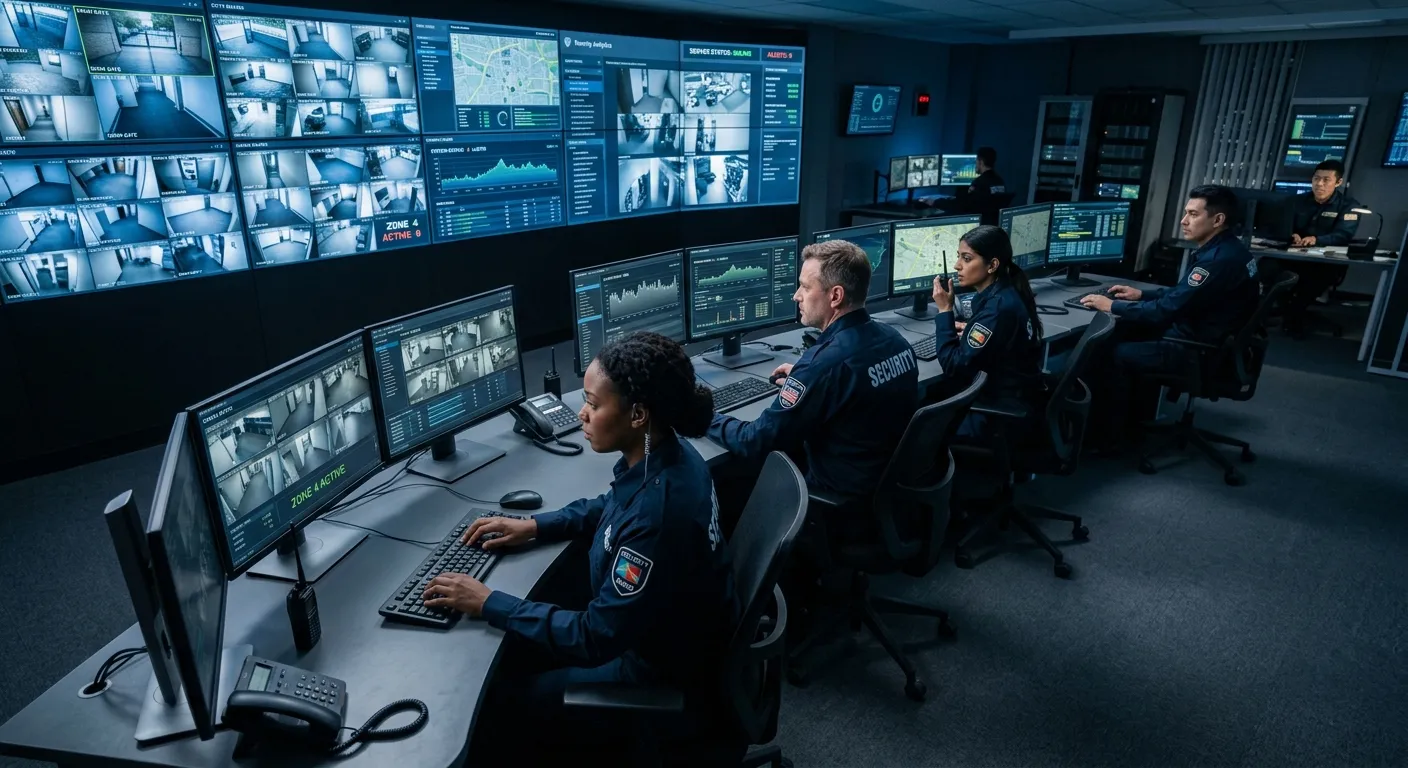
A security agency is a specialized organization that provides trained personnel, risk assessment, and protective services to businesses, events, and individuals. Unlike in-house security teams, these agencies offer a flexible, expert-driven model, supplying vetted professionals—from static guards and event stewards to cybersecurity consultants and close protection officers. They act as a force multiplier, allowing organizations to scale their security posture up or down based on real-time needs without the long-term overhead of permanent hires. This model is particularly effective for managing fluctuating demands, such as during peak retail seasons, major corporate events, or for specific projects requiring niche expertise.
In an interconnected world where threats can be physical, digital, or reputational, a modern security agency’s role extends beyond mere guarding. They provide intelligence-led services, integrate advanced technology like access control and surveillance systems, and ensure all personnel are fully licensed (e.g., SIA in the UK) and compliant with the latest regulations. Whether you're securing a warehouse in Leeds or a high-profile festival, the right agency delivers not just staff, but a comprehensive security strategy. This approach mirrors the strategic benefits outlined in our Temporary Staffing Solutions Guide for Modern Businesses, where agility and expertise are paramount.
A Multi-Faceted Service: Types of Security Agencies
Security needs are not one-size-fits-all. Explore the primary categories of security agencies to understand which partner aligns with your specific risk profile and operational requirements.
Physical & Manned Guarding Agencies
This is the most visible form of security, providing a tangible deterrent through the presence of trained personnel. Services include static site guarding, mobile patrols, concierge services, and retail security. These agencies are essential for protecting assets, people, and property across industries like logistics, manufacturing, and retail. For instance, securing a warehouse facility requires personnel skilled in access control, perimeter monitoring, and inventory protection. The best agencies provide staff who are not just present but are trained in conflict de-escalation, emergency response, and detailed incident reporting, turning a cost center into a value-adding component of your operations.
- Static Guards: Provide a fixed security presence at entrances, control rooms, or sensitive areas.
- Mobile Patrols: Offer random, scheduled checks across multiple sites, maximizing coverage and deterrence.
- Key Holding & Alarm Response: Act as the first line of response for out-of-hours alarm activations.
- Retail Security: Combat theft, manage queues, and ensure customer and staff safety.
Event & Festival Security Agencies
A Festival Staffing Agency with a security specialization is critical for managing large-scale public gatherings. This niche requires managing dynamic crowd flows, emergency medical coordination, access control at multiple points, and liaising with local authorities. Event security personnel are trained in crowd psychology, customer service (often acting as the first point of contact for attendees), and rapid emergency protocols. The complexity of an event like a major festival or concert requires a seamless blend of security, stewarding, and front-of-house management, similar to the coordination needed when you hire hotel receptionists for a large hospitality operation. Failure in planning can lead to significant safety and reputational risks.
Pro-Tip: When hiring a Festival Staffing Agency for security, ensure they have specific experience with your event type and size. Ask for their incident management plan and how they communicate with their on-ground team in real-time. Integrated radio systems and a dedicated control center are non-negotiable for large events.
Cyber & Technical Security Agencies
These agencies protect digital assets, networks, and data from cyber threats. They provide services like vulnerability assessments, penetration testing, managed detection and response (MDR), and staff training on phishing awareness. While they may not supply"guards" in the traditional sense, they provide expert consultants and analysts on a project or retained basis. This is analogous to how a business might use a staffing agency to find a helpdesk specialist in Cambridge for immediate IT support—both address critical operational needs with specialized, on-demand expertise. In an era of remote work, their role in securing hybrid environments is indispensable.
Corporate & Consultancy Security Agencies
These firms focus on strategic risk management for corporations. They conduct threat assessments, develop business continuity plans, oversee executive protection (close protection), and manage insider threat programs. They often work at the boardroom level, aligning security strategy with business objectives. Their value lies in proactive prevention rather than reactive response. Engaging such an agency is a strategic decision, much like utilizing a guide to build a stellar team across all departments; it's an investment in long-term organizational resilience and stability.
Why Partner with a Professional Security Agency? Key Benefits
Outsourcing your security functions to a specialist agency delivers tangible advantages that go far beyond simple staffing.
Expertise & Compliance Assurance
Agencies assume the burden of rigorous vetting, continuous training, and license management (like SIA in the UK). You gain access to professionals trained in the latest protocols, from first aid to conflict management, ensuring full legal and regulatory compliance without internal administrative overhead.
Scalability & Operational Flexibility
Easily scale your security team up for a peak season, a special project, or a major event, and scale down during quieter periods. This flexible model, detailed in The Ultimate Guide to Temp Work Staffing, protects your bottom line, converting fixed salary costs into variable, operational expenses aligned directly with need.
Risk Mitigation & Reduced Liability
Professional agencies carry their own comprehensive insurance (public liability, employer's liability), transferring significant risk away from your business. Their structured procedures and professional standards reduce the likelihood of incidents, and if one occurs, their experience ensures it is handled correctly, limiting legal exposure.
Access to Technology & Best Practices
Leading agencies invest in state-of-the-art technology—patrol management software, real-time reporting apps, integrated CCTV monitoring—that may be cost-prohibitive to implement in-house. You benefit from these tools and the operational best practices refined across multiple clients and industries.
Management & Administrative Relief
The agency handles all HR functions: recruitment, payroll, taxes, scheduling, and performance management. This frees your management team to focus on core business activities. It’s the same principle behind using a service like Quick Hire for rapid, managed recruitment across various roles.
Enhanced Focus on Core Business
Security is a critical function, but it is not the core function of most businesses. Partnering with an expert agency allows your leadership to dedicate energy and resources to innovation, growth, and customer service, secure in the knowledge that a specialist is managing a complex, risk-laden area of operations.
How to Hire the Right Security Agency: A Step-by-Step Guide
Selecting a security partner is a strategic decision. Follow this structured process to ensure you engage an agency that aligns with your values, risk profile, and operational needs.
Conduct a Thorough Needs Assessment
Before contacting agencies, define your requirements with precision. What are you protecting (assets, people, data, reputation)? What are the specific threats? What level of coverage is needed (24/7, weekends, event-only)? What is your budget? Consider the environment: securing a corporate office differs vastly from securing a supply chain logistics hub. Document key performance indicators (KPIs) like incident reduction targets, response times, and reporting standards.
Vet Potential Agencies Rigorously
Create a shortlist of agencies with proven experience in your sector. Essential checks include:
- Licenses & Accreditations: Verify SIA Approved Contractor Status (ACS), ISO certifications, and any industry-specific memberships (e.g., IPSA, BSIA).
- Insurance: Request proof of ample public and employer's liability insurance.
- Client References & Case Studies: Speak directly to current or past clients, especially those with similar needs. Ask about reliability, problem-solving, and communication.
- Staff Vetting Process: Inquire deeply about their recruitment, background checks (DBS enhanced), training programs, and how they ensure ongoing competence.
Evaluate Proposals & Conduct Site Visits
Request detailed, tailored proposals, not generic brochures. The proposal should outline a specific security plan, command structure, communication protocols, and technology to be used. Always insist on a joint site visit with the agency's proposed account manager or operations lead. This allows them to understand the physical layout and nuances, and it gives you insight into their professionalism and observational skills. It’s as crucial as the due diligence you’d perform when using a service to find staff for any other critical business function.
Negotiate a Clear Contract & Service Level Agreement (SLA)
The contract is your safeguard. It must explicitly define the scope of services, staffing levels, equipment provided, reporting lines, and the all-important SLA. The SLA should include measurable metrics: maximum response times, frequency of patrols, report submission deadlines, and escalation procedures. Clearly outline key contact points, review meeting schedules, and the process for addressing underperformance. A robust contract aligns expectations and forms the basis of a strong, transparent partnership.
Expert Insight: The Future of Security Staffing
The security landscape is evolving rapidly. The agencies that will thrive are those integrating technology with human expertise. Look for partners who utilize data analytics for predictive threat modeling, mobile apps for real-time guard tracking and incident reporting, and AI-enhanced surveillance systems. Furthermore, the line between physical and cyber security is blurring; forward-thinking agencies offer converged security solutions. The demand for specialized, on-demand security talent will continue to grow, solidifying the agency model as a cornerstone of modern risk management. For a broader perspective on this flexible future, explore insights in our resource on Our Staffing Services.
Frequently Asked Questions: Security Agencies
Get clear, authoritative answers to the most common questions businesses have about hiring and working with security agencies.
While the terms are sometimes used interchangeably, there's a key distinction in context. A"security guard" often refers to an individual, possibly hired directly. A"security officer" supplied by an agency is part of a larger, managed system. The agency ensures the officer is fully vetted, trained to a consistent standard, licensed, and backed by the agency's insurance, management support, and technology. The officer represents a professional service, not just an individual employee. This managed approach reduces your liability and administrative burden significantly.
Costs are variable and depend on several factors: the level of risk (a high-risk site costs more), the number of personnel, required skills (e.g., first aid, conflict management), shift patterns (nights/weekends often have premiums), and whether specialist equipment is needed. Typically, you pay an hourly rate per officer, which bundles their wage, the agency's margin, insurance, and management costs. It's crucial to view this as an investment in risk mitigation rather than just an expense. A professional agency can often provide a more cost-effective solution than in-house hiring when you factor in recruitment, training, management, and liability costs.
Absolutely. This is a core strength of the agency model, especially for a Festival Staffing Agency. Agencies specialize in flexible staffing solutions and can mobilize a trained, SIA-licensed team for a single day, a weekend, or the duration of an event. They handle all the logistics—scheduling, uniforming, briefing—and ensure the team understands the specific crowd management, access control, and emergency procedures for your event. This is far more reliable and safer than attempting to hire individuals independently for short-term needs.
Management is typically a shared responsibility. The agency provides a dedicated account manager or supervisor who is responsible for the personnel's welfare, performance, payroll, and adherence to the agreed plan. They conduct spot checks and are your primary point of contact. On-site, you (the client) will have operational control—you direct the security team regarding site-specific rules, access permissions, and daily priorities. Clear communication channels between your site manager and the agency's supervisor are vital for success, a principle that applies equally when integrating any temporary staff, as seen in roles for field operatives or other project-based work.
A key benefit of using an agency is their responsibility for continuity of service. A reputable agency will have a robust contingency plan and a pool of relief staff. Their contract should guarantee that they will provide a suitable replacement within a specified timeframe (e.g., within 2 hours) at no extra cost to you. This is a critical question to ask during the vetting process and a clause that must be included in your Service Level Agreement (SLA).
Secure Your Operations with Confidence
Don't leave your security to chance. Partnering with a professional security agency is a strategic decision that safeguards your assets, your people, and your reputation. Whether you need permanent manned guarding, event security for a festival, or a rapid response to an immediate threat, the right agency is your single point of contact for expertise, compliance, and peace of mind.
Ready to build a resilient security framework? Start the process today and connect with vetted, reliable professionals who can meet your specific needs.
Post Your Security Job NowOr, explore About Us to learn more about our commitment to connecting businesses with top-tier staffing solutions.